
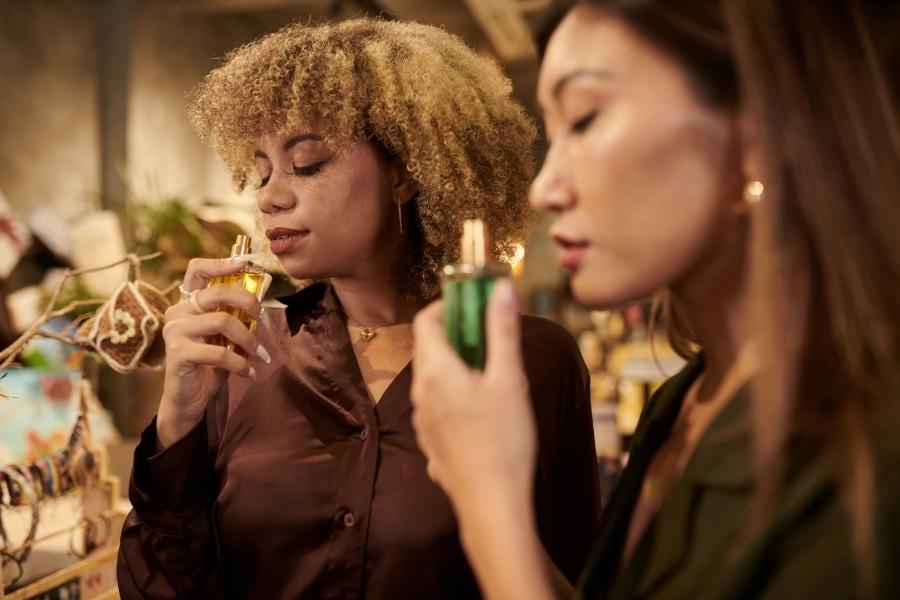
Signature scents mess with your head in the best possible way. You catch a whiff of something familiar and boom – you’re eight years old again, sneaking into mom’s perfume collection. Or maybe it’s that random Tuesday when someone walks past wearing the exact same fragrance your ex used to love. Scent memory hits different than any other sense, doesn’t it?
Here’s the thing though – most people approach choosing fragrances completely wrong. They walk into Sephora, spray three random bottles, and pick whatever doesn’t make them sneeze. But your personal fragrance DNA runs way deeper than that. It’s tangled up with your skin chemistry, your childhood memories, even what you had for lunch yesterday.
You know how some people just smell incredible no matter what they’re wearing? They’ve cracked the code. They understand that fragrance isn’t about copying what works on someone else. It’s about finding what works on you – specifically you, with your weird skin pH and your tendency to stress-sweat during meetings and your inexplicable love for the smell of gasoline stations.
Finding your signature fragrance identity means getting comfortable with some trial and error. Lots of error, actually. But once you nail it, you’ll have something better than any designer handbag or perfect lipstick shade. You’ll have a scent that makes people lean in closer when you hug them goodbye.
Decoding How Signature Scents Actually Work
Perfume construction follows this three-act drama that plays out on your skin over hours. Top notes show up first, all flashy and attention-grabbing like that friend who dominates every conversation. They stick around maybe fifteen minutes before vanishing completely.
Then the heart notes roll in. These are the substance, the actual personality of the fragrance. They’re what you smell during your commute home, what lingers when you take off your jacket. Heart notes don’t mess around – they hang out for hours, sometimes half your day.
Base notes are the foundation everything else builds on. Woods, musks, that warm vanilla that makes people want to nuzzle your neck. These heavy-hitters can last until your next shower, sometimes longer. Your long-lasting personal fragrance lives or dies by how these base notes vibe with your natural scent.
Fragrance families help you figure out what lane you belong in. Fresh scents are like that person who always smells like they just stepped out of the shower. Florals range from sweet grandma rose to weird experimental tuberose that smells vaguely dirty (in a good way). Orientals bring the drama with spices and resins that make you feel mysteriously seductive. Woody fragrances ground you, like spending weekend mornings in a forest cabin.
But here’s where it gets interesting – your skin rewrites every fragrance’s story. You’re not just wearing perfume; you’re collaborating with it.

Why Your Skin Makes Signature Scents Weird and Wonderful
Your skin chemistry throws curveballs that no perfumer can predict. Some people turn everything powdery. Others make florals go sour within an hour. A few lucky souls amplify everything beautifully, while others seem to eat fragrances alive, leaving barely a trace by lunchtime.
pH matters more than you’d think. Oily skin grabs onto fragrance molecules and won’t let go, turning subtle scents into projection monsters. Dry skin does the opposite, making even potent perfumes whisper instead of sing. Neither is better or worse – just different stages for your unique scent profile to perform on.
Your body temperature changes everything too. Hot skin turns up the volume on every note, which is why summer signature scents need to be chosen carefully. That cozy vanilla that feels perfect in December might knock people over in July heat.
Even weirder? Your diet sneaks into your fragrance performance. Eat tons of garlic and spicy food, and your skin starts throwing different chemistry into the mix. Hormonal changes shift things around too. Women often notice their favorite perfumes smell completely different at certain times of the month.
Exploring Signature Scents Territory by Territory
Fresh fragrances capture that just-showered, clean-sheets, ocean-breeze feeling. Citrus oils spark up the opening while aquatic notes keep things breezy and uncomplicated. These everyday wearable fragrances play well with others, never offending your cube neighbor or overwhelming your yoga instructor.
Floral territory spans from single-flower showcases to complex garden parties. Rose shows up everywhere because it works with almost everything. Jasmine brings sensual heat. Tuberose gets funky and polarizing. Modern florals mix in green leaves, metallic twists, or unexpected spices. Feminine signature scents used to own this space, but that’s changing fast.
Oriental fragrances seduce with warmth and mystery. Amber creates golden, honey-like depth. Vanilla ranges from cake-sweet to smoky and complex. Exotic spices add heat and intrigue. These sensual evening fragrances work best when you want to make an impression, not fade into the background.
Woody scents feel like expensive minimalism. Sandalwood brings creamy sophistication. Cedar adds pencil-shaving crispness. Patchouli ranges from hippie head-shop to polished and modern. Many unisex signature fragrances live here because wood transcends traditional gender boundaries.
Designer vs Niche Signature Scents: What’s the Real Difference?
Designer perfumes play it safe. They’re created by committee, focus-grouped to death, and designed to appeal to as many people as possible while offending absolutely no one. This isn’t necessarily bad – some designer fragrances are genuinely gorgeous and well-crafted. But they’re unlikely to make you smell completely unique.
Niche signature fragrances take risks that big fashion houses can’t afford. Independent perfumers use rare ingredients, try bizarre combinations, and prioritize artistic vision over mass appeal. Some niche perfumes smell incredible and truly distinctive. Others smell like expensive mistakes that only hardcore fragrance nerds appreciate.
Price doesn’t tell the whole story in either category. Some drugstore gems outperform hundred-dollar department store bottles. Some niche fragrances justify their sky-high prices with rare ingredients and masterful blending. Others seem to charge extra for the privilege of smelling weird.
The sweet spot often lies in finding lesser-known offerings from established houses, or discovering niche brands before they become Instagram-famous and double their prices.
Building Your Signature Scents Wardrobe Like a Pro
Fragrance wardrobes work like clothing – you need different options for different situations and moods. Nobody wears ball gowns to grocery shop or flip-flops to job interviews. Same logic applies to scent.
Daytime signature scents keep things appropriate for shared spaces. You want something that creates a pleasant aura without broadcasting your presence across conference rooms. Fresh citrus, light florals, or clean woody scents work perfectly when you’re stuck in meetings all day or making small talk with strangers.
Evening fragrances let you turn up the volume. Rich orientals, dramatic florals, or smoky compositions signal that work day is over and fun begins. These special occasion fragrances create lasting impressions and give you confidence for date nights or important social events.
Seasonal signature scents adapt to weather changes and your shifting moods. Summer calls for light, sparkling compositions that won’t wilt in humidity. Winter welcomes cozy, warming fragrances that complement sweater weather. Spring brings fresh florals and green notes that match your renewed energy. Fall embraces spicy, woody compositions that feel like crunching through leaves.
Building a smart minimalist fragrance collection means choosing maybe five bottles that cover all your bases without overlapping too much. Quality over quantity keeps your collection manageable and ensures everything gets worn regularly.
Signature Scents Layering: Creating Your Own Recipes
Advanced fragrance people discover layering – mixing different scents to create something completely personal. This turns you into your own perfumer, customizing existing fragrances to match your exact preferences.
Start simple by combining fragrances from the same family. Vanilla-based perfumes play nicely with woody scents. Citrus elements brighten up almost any floral. The trick is understanding which notes harmonize versus fight each other for attention.
Fragrance layering techniques range from applying different scents to different pulse points to actually mixing perfumes in your palm before applying. Some brands create companion products specifically designed for layering with their signature fragrances.
Body products add another layering dimension. Scented lotions, shower gels, and hair mists can either support your main fragrance or create subtle complexity when mixed thoughtfully.
Testing Signature Scents Without Making Expensive Mistakes
Fragrance shopping requires strategy unless you enjoy owning bottles that seemed perfect in-store but smell wrong everywhere else. The department store environment lies to you with its artificial lighting, competing scents, and time pressure from hovering sales associates.
How to test fragrances properly starts with patience. Apply one potential scent to your wrist and resist immediately smelling it. Let the alcohol evaporate and the fragrance settle into your skin’s natural chemistry. Check back in fifteen minutes for the heart notes, then again several hours later for the full development story.
Three fragrances per shopping trip maximum. Your nose gets confused with too many competing scents, making accurate comparison impossible. Step outside between tests or smell coffee beans to reset your olfactory palate.
Sample collecting strategies save you from expensive full-bottle mistakes. Many niche brands offer discovery sets with multiple small bottles. Online retailers sell sample sizes of almost everything. Living with a fragrance for several days reveals how it performs in your actual life, not just under store fluorescents.
Consider timing when testing. A fragrance that feels perfect in air-conditioned February might suffocate you in August humidity. Your mood, stress level, and even what you wore yesterday affects how new scents smell on your skin.
Avoiding Signature Scents Shopping Disasters
Fragrance buying mistakes create expensive regrets that sit untouched on bathroom shelves. Rushing tops the list – fragrances need hours to reveal their true personalities on your specific skin chemistry.
Don’t let other people choose your personal signature fragrance. What smells incredible on your best friend might turn sour on you within minutes. Online reviews help narrow options, but your nose makes the final decision.
Testing fragrances while wearing strong scents, eating spicy food, or fighting a cold skews your perception completely. These factors interfere with accurate assessment of how potential signature scents will actually perform in normal circumstances.
Store atmosphere manipulates your senses too. Harsh lighting, competing fragrances, and sales pressure create artificial urgency. Natural light and relaxed environments provide better testing conditions for such personal decisions.
Keeping Your Signature Scents Collection Happy
Proper storage keeps your fragrances smelling like they’re supposed to instead of turning into expensive room spray. Heat, light, and air break down the molecular structure, changing scent profiles in unpleasant ways.
Cool, dark storage spots work best for your signature fragrance collection. Bedroom drawers, closets, or even dedicated fragrance refrigerators protect your investment. Bathrooms with their temperature swings and humidity spikes are terrible storage locations despite convenience.
Keep bottles upright to prevent leakage and minimize air exposure. Original boxes provide extra light protection. Never leave fragrances in cars where temperature extremes can ruin them within hours.
Fragrance longevity tips include avoiding shaking bottles unnecessarily and using travel atomizers for small amounts instead of carrying full bottles everywhere. Quality fragrances typically last three to five years with proper care, sometimes longer for certain compositions.
Your signature scents represent personal investment beyond just money. They’re part of your identity, your confidence, your daily rituals. Treating them well ensures they continue delivering that perfect olfactory experience that made you fall in love initially.
Finding your signature scent isn’t a one-and-done decision anyway. Your preferences evolve as you do. Stay curious, keep exploring, and trust your instincts over trends or other people’s opinions.
What scent memory means most to you, and how might it guide your search for that perfect signature fragrance?
