
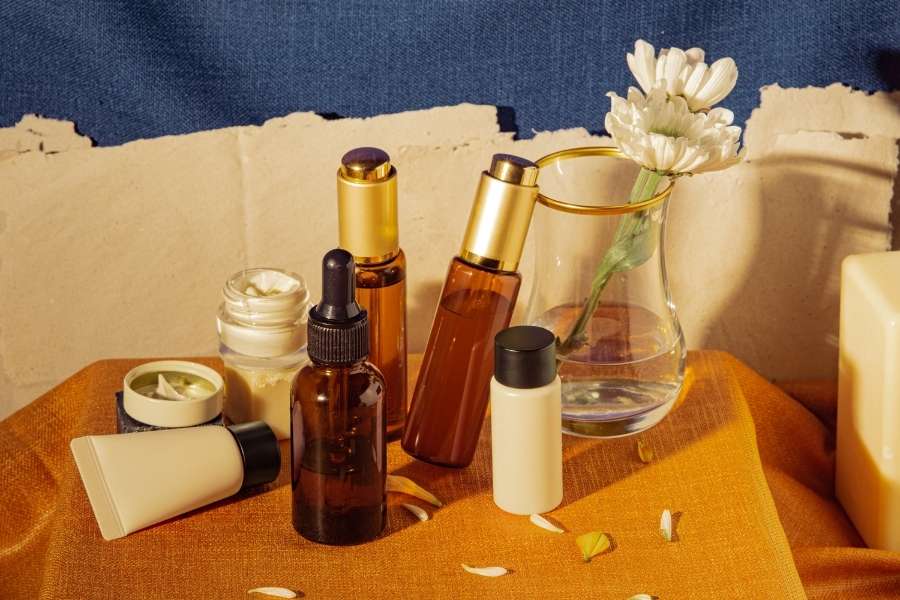
Anti Aging Serum products promise radiant, youthful skin, but are you applying them correctly? Here’s what might be happening: you’ve dropped serious cash on premium serums, yet your skin looks exactly the same. Maybe the products aren’t the problem. Maybe it’s the order you’re slapping them on. Think about building a house. You wouldn’t stick the roof on before pouring the foundation, right? Your face works the same way. Get the sequence right, and every product punches harder, sinks deeper, and actually does what it’s supposed to. Layering isn’t complicated, but it does need some attention. Your skin has rules, and once you learn them, you’ll finally see what all those bottles can actually do.
Why the Order of Your Anti Aging Serum Matters
Your skin acts like a bouncer at an exclusive club. It decides what gets in and what stays out. Apply skincare products in the wrong order, and you’re basically blocking your own entry. Picture trying to drink through a straw that’s stuffed with cotton at the top. That’s what happens when heavy stuff goes on before light stuff. Lighter molecules slip through easily. Heavier ones need a clear path. If your expensive anti aging serum products aren’t working, this is probably why. The sequence creates a system where each ingredient hits the right skin layer and actually gets to work.
pH levels matter too. Some ingredients need specific conditions to stay stable. Mess up the order, and you might cancel out the very benefits you’re paying for. Your skin naturally sits around 4.7 to 5.75 on the pH scale, slightly acidic. Products designed with this in mind work best when you apply them in a way that respects their chemistry. This isn’t about being obsessive. It’s about making your money count with skin that genuinely looks younger and healthier.

The Golden Rule for Anti Aging Serum Application
Here’s what you need to remember: thin to thick, always. This guides every choice in your anti aging skincare routine. Water-based stuff goes before oil-based because oil creates a wall that water can’t cross. You can shake oil into water if you try hard enough, but water will never penetrate oil. Your face follows basic physics. The thinnest, most watery products first, building up to the thicker creams. Each layer gets a chance to sink in before the next one seals everything up. Lots of people do this backwards and wonder why everything just sits there looking greasy.
Timing matters just as much. You can’t rush this any more than you can microwave a good steak. Each product needs maybe 30 to 60 seconds to settle before you add the next one. Not hours. Just a quick pause. Your morning routine takes three extra minutes with proper timing, but those minutes pay off. After weeks and months, people start asking what you’re doing differently. You’ll know it wasn’t luck but smart layering.
Understanding Your Anti Aging Serum Ingredients
Not all anti aging serums for mature skin work the same way. Knowing what’s in your bottles changes everything. Vitamin C serums like slightly acidic, freshly cleaned skin. They’re usually water-based and go on early. Retinol needs dry skin to avoid irritation while it speeds up cell turnover. Hyaluronic acid acts like a moisture sponge and works best on damp skin so it has something to grab. Every ingredient has its own quirks and preferences.
Peptides are amino acid chains that tell your skin to make more collagen. They need direct skin contact to work. They won’t penetrate through thick moisturizers or oils. Niacinamide (vitamin B3) plays nice with most things but can clash with highly acidic products like vitamin C if you use them together. That doesn’t mean pick one or the other. Just space them out or use them at different times. The more you know about these actives, the better your layering routine for anti aging products becomes. Knowledge here means actual results instead of disappointment.
The Perfect Morning Anti Aging Serum Routine
Mornings prep your skin for everything the world’s about to throw at it. Your anti aging serum routine should protect and nourish. Start with a gentle cleanser for your skin type. This clears away the oil and dead cells from overnight. Pat dry but leave your face slightly damp. That moisture helps everything spread and absorb better. Now comes the first treatment: vitamin C serum. This antioxidant fighter knocks out free radicals from sun and pollution before they trash your skin cells. Press a few drops into your face and neck, moving upward.
Wait a minute for the vitamin C to sink in, then grab your hydrating serum. A hyaluronic acid anti aging serum plumps fine lines and smooths everything out. Follow with targeted treatments for spots or sagging. These might be peptides or growth factors. Each layer should be thinner than water, disappearing quickly. Next is eye cream, tapped on gently with your ring finger. The skin around your eyes shows age first, so don’t skip this. After that absorbs, add a light moisturizer to lock in everything underneath.
Last step, absolutely mandatory: sunscreen. This is where tons of people bail out, but UV protection beats every other anti-aging trick. Pick broad-spectrum SPF 30 minimum and use plenty. Let it set before makeup if you wear it. This whole thing sounds long, but you’re talking five to seven minutes once you’ve got it down. Small price for skin that looks years younger. Just stay consistent. Doing this randomly gets you nowhere, but daily habit? That transforms your face over time.
The Evening Anti Aging Serum Layering Strategy
Nighttime is repair time. Your skin works hardest while you sleep. Your evening anti aging serum routine should support that natural process. Start with a thorough cleanse, maybe double-cleansing if you wore sunscreen or makeup. Oil cleanser first melts everything away, then water-based cleanser gets what’s left. This guarantees truly clean skin, which matters for absorption. Some folks use toner after cleansing to balance pH, though it’s not essential if your cleanser already does that.
Treatment phase looks different from morning because this is retinol time. Vitamin A derivatives break down in sunlight, so night makes more sense. Put your retinol on completely dry skin. Wait at least 20 minutes after cleansing so no water’s left to cause irritation. Use about a pea-sized amount for your whole face, avoiding eyes unless you have special eye retinol. After another 20 or 30 minutes, you can add other serums for aging skin on top. This wait time cuts irritation while letting the retinol do its thing. Add hydrating serum if your face feels tight from the retinol.
Your nighttime moisturizer should be richer than daytime since you don’t need it under makeup or sunscreen. This is also when facial oils can go on if you use them. Oils always come last because they create a barrier nothing else crosses. A few drops warmed in your palms and pressed in seals all those actives you’ve layered. Don’t forget your neck and chest. These areas age just as fast as your face but get ignored constantly. This thoughtful evening routine means you wake up looking refreshed, plump, and noticeably brighter.
Common Mistakes in Anti Aging Serum Layering
Even with good intentions, it’s easy to screw things up. One of the biggest mistakes is using too much product. More doesn’t mean better. It means waste and potential irritation. Most serums only need two to three drops for your entire face. Extra product just sits there, never absorbing, and can pill under what you add next. Another frequent screwup is rushing. Slapping products on one after another doesn’t give each one time to work. Those 30 to 60 seconds between applications aren’t suggestions. They’re requirements. Each ingredient needs its moment before the next one arrives.
Lots of people also mix incompatible ingredients. Some combinations cancel each other out or cause irritation. Vitamin C and retinol together can be too harsh for many skin types. Better to use vitamin C mornings and retinol nights. Another bad pairing is acids with retinol. Both increase cell turnover, and combining them can strip your skin barrier, causing redness, peeling, and sensitivity. Read your labels and understand what’s active. When unsure, separate potentially clashing ingredients by at least 12 hours or alternate them on different nights.
Maybe the worst mistake is inconsistency. The best anti aging serum routine only works if you actually do it. Skipping randomly gets random results. Your skin needs regular care to improve. Missing a night occasionally won’t wreck everything, but regularly blowing off your routine definitely will. Set phone reminders, create a dedicated product space, or tie your routine to another habit you never miss. Daily care compounds. A month shows some results, three months shows major ones, and six months has people demanding your secrets.
Adjusting Your Anti Aging Serum Order by Season
Your skin changes with weather, and your anti aging serum layering should too. Winter brings dry heating and harsh winds that suck moisture out. During cold months, maybe add an extra hydrating serum or swap your light moisturizer for something heavier. The order stays thin to thick, but you’re adding more moisture steps to fight the dryness. Some people cut back on retinol frequency during winter because their skin barrier’s already taking a beating from weather. Listen to your skin instead of rigidly following a routine that’s not working.
Summer has different issues: humidity, more sun, more sweating. You might switch to lighter formulas, trading heavy moisturizer for gel versions. Your vitamin C anti aging serum becomes even more crucial because of increased UV and the free radical damage it causes. Some prefer less frequent retinol in summer or gentler retinoid alternatives to avoid sun sensitivity. The basic layering rules don’t change, but the specific products can and should adapt. Your skin in July needs different things than in January. Acknowledging this keeps your routine effective year-round.
Spring and fall are transition times that might need a complete reassessment. What felt perfect in winter might seem too heavy once warmth arrives. What worked in summer might leave you tight and uncomfortable when autumn hits. Watch how your skin feels and looks. Oily and congested? Lighten up. Tight and flaky? Add hydration. Your anti aging routine with serums should evolve with your needs, not be some rigid prescription you follow blindly. This flexibility means you’re always giving your skin exactly what it needs, regardless of what’s happening outside.
Professional Tips for Maximizing Anti Aging Serum Results
Dermatologists and estheticians know tricks that can level up your anti aging serum routine. One insider secret is application technique. Instead of rubbing products in, press them using gentle upward and outward motions. Pressing encourages absorption without tugging delicate facial skin. Warmth from your hands helps products penetrate better too, so warm each serum between your palms before applying. Another pro tip involves storage. Many actives break down when exposed to light and air, so keep them somewhere cool and dark, and always close lids tightly.
Professionals also push exfoliation as part of an effective anti aging skincare routine. Dead skin cells sitting on the surface block serums from penetrating. Regular exfoliation, chemical or physical, removes that barrier so your products reach living cells. But over-exfoliating is real. Two to three times weekly is enough for most people. More than that damages your skin barrier, creating the exact problems you’re trying to prevent. Balance matters in skincare, and exfoliation is no exception.
Professionals stress patience and realistic expectations too. Skincare isn’t magic. It’s biology, and biology takes time. You won’t see dramatic changes after one week or even one month. Most actives need at least six to eight weeks of consistent use before visible changes happen. Some, like retinol, can take three to six months for full effects. During this time, your skin works beneath the surface, rebuilding collagen, speeding cell turnover, and fixing damage. Trust it, stay consistent, and take progress photos so you can actually see the gradual improvements that are hard to notice day-to-day. The transformation is happening. You just need patience to see it.
Building Your Personalized Anti Aging Serum Routine
Creating your perfect anti aging serum routine is like tailoring a custom suit. It needs to fit your specific concerns, lifestyle, and budget. Start by identifying what bugs you most. Fine lines? Loss of firmness? Dark spots? Dullness? Your answer determines which actives should take priority. Someone worried about pigmentation might prioritize vitamin C and niacinamide, while someone focused on texture and firmness might emphasize retinol and peptides. You don’t need a dozen serums to see results. Three to four well-chosen products targeting your specific issues often work better than a cabinet full of everything.
Factor in your skin type when building your routine. Oily skin handles lightweight, water-based serums for mature skin better than heavy creams. Dry skin needs more emollient products and extra hydrating steps. Sensitive skin requires gentle formulas and slower introduction of actives. If you’re new to retinol or acids, start with lower concentrations used less frequently. Your skin needs time to build tolerance. Pushing too hard too fast leads to irritation that sets you back. Introduce one new product at a time, waiting at least two weeks before adding another. If you react, you’ll know exactly which product caused it.
Budget is real, but good news: effective skincare doesn’t require luxury prices. Some of the best anti aging serum products come from affordable brands investing in research instead of fancy packaging. Focus on products with proven actives at effective concentrations instead of impressive marketing claims. A $20 retinol serum with 0.5% retinol beats a $200 cream with a “proprietary blend” that won’t disclose concentrations. Learn about ingredients and concentrations, and you can build an effective routine at almost any price. The real investment is time and attention you give to caring for your skin consistently.
How Long Before You See Anti Aging Serum Results
Patience might be the most underrated tool in any anti aging serum toolkit. We want everything instant, but skin doesn’t work that way. Understanding realistic timelines prevents quitting when results feel slow. Surface-level changes like better hydration and a healthy glow can show up within days. Nice confidence boosters, but not the deeper changes you’re really after. True anti-aging results addressing lines, firmness, and texture take much longer. Most actives need at least four to six weeks to show initial results and three to six months to deliver full potential.
Retinol, the gold standard in anti aging skincare, typically requires at least 12 weeks of consistent use before visible improvements in fine lines and texture. Some studies show continued improvement for up to a year. Vitamin C shows brightening effects faster, often within four to eight weeks. Peptides fall somewhere in the middle, with most noticing improved firmness around two to three months. These timelines assume you’re using products correctly, at effective concentrations, and consistently. Sporadic use extends these timelines forever. Your skin responds to patterns, not single applications. Establishing a routine you can maintain long-term beats using perfect products inconsistently.
Worth noting: prevention is easier than correction. If you’re in your thirties using preventative anti aging serums, you might not see dramatic befores and afters simply because you’re stopping damage before it becomes visible. This is actually ideal, even if it feels less rewarding than watching deep wrinkles disappear. Take progress photos at the start and then monthly. These help you notice gradual changes imperceptible day-to-day. Your bathroom mirror becomes proof of how far you’ve come. These visual reminders keep you committed during inevitable moments when you’re tempted to skip your routine or quit.
