
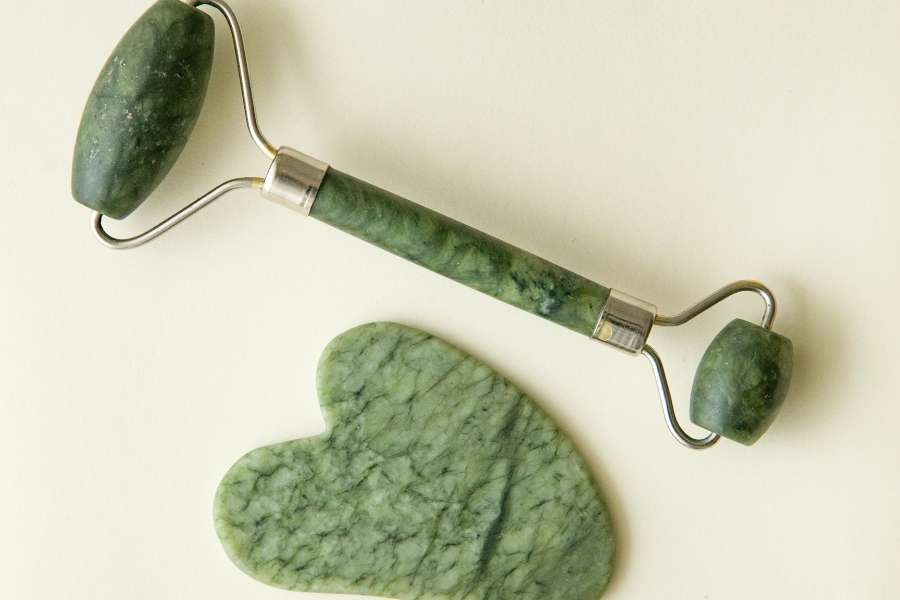
Gua Sha Face Massage has become the beauty world’s best-kept secret for achieving naturally lifted, sculpted features without needles or surgery. You’ve probably scrolled past countless videos showing smooth jade or rose quartz tools gliding across glowing skin, wondering if this ancient technique could actually transform your face. The answer might surprise you: when done correctly, this traditional Chinese practice offers remarkable benefits that go far beyond momentary relaxation.
Your face holds the story of every smile, every stressful day, and every sleepless night. Over time, gravity takes its toll, lymphatic fluid accumulates, and facial muscles lose their firmness. But what if you could reverse these effects using nothing more than a specially shaped stone and the right movements? This isn’t about chasing unrealistic beauty standards. It’s about understanding how facial massage techniques can support your skin’s natural structure and vitality.
Think of your face like a garden that needs regular tending. Without proper care, weeds grow and flowers droop. Similarly, without stimulation, your facial tissues can become stagnant, leading to puffiness, dullness, and sagging. The Gua Sha face massage technique acts as that essential care, promoting circulation, encouraging lymphatic drainage, and helping your skin remember its youthful resilience. Whether you’re battling morning puffiness or seeking long-term facial definition, mastering this method could be your game-changer.
Understanding the Gua Sha Face Massage Technique
The term “gua sha” literally translates to “scraping sand,” which might sound alarming until you understand the gentle philosophy behind it. This practice originated in traditional Chinese medicine thousands of years ago, initially used on the body to release tension and promote healing. When adapted for facial use, the technique becomes far more delicate, focusing on encouraging rather than forcing change.
Your facial skin differs dramatically from body skin in thickness, sensitivity, and underlying structure. The gua sha facial tool typically features multiple edges: some curved for cheekbones, others flat for the forehead, and specific angles designed for delicate areas around your eyes. Rose quartz, jade, and bian stone remain the most popular materials, each carrying unique properties. Rose quartz stays naturally cool and suits sensitive skin beautifully. Jade offers slightly more weight, providing satisfying pressure during your massage. Bian stone, lesser known but equally effective, contains beneficial minerals that some believe enhance the treatment’s effects.
The magic happens through several mechanisms working simultaneously. First, the scraping motion stimulates blood flow to your facial tissues, delivering oxygen and nutrients while removing metabolic waste. Second, gentle pressure encourages lymphatic drainage, reducing fluid retention that causes puffiness and dull complexion. Third, the mechanical stimulation of facial muscles helps tone and lift, similar to how exercise strengthens body muscles. Finally, regular practice may boost collagen production, that precious protein responsible for skin firmness and elasticity.

Preparing for Your Gua Sha Face Massage Session
Success begins before you even touch the tool to your face. Preparation sets the stage for maximum benefits and protects your delicate facial skin from potential irritation or damage. Think of this phase as warming up before exercise; skipping it might not cause immediate problems, but it certainly limits your results.
Start with thoroughly cleansed skin because working over makeup, dirt, or sunscreen traps impurities against your pores. Use your regular cleanser, then pat your face dry with a clean towel. Your skin should feel fresh but not tight or stripped. Next comes the crucial step that many beginners overlook: applying a facial oil or serum. This facial massage oil serves multiple purposes beyond simple lubrication. It allows the tool to glide smoothly without tugging delicate skin, helps your hands move rhythmically without interruption, and delivers beneficial ingredients deeper into your skin through the massage action.
Choose oils wisely based on your skin type and concerns. Rosehip oil works wonderfully for anti-aging facial massage due to its high vitamin A content. Jojoba oil mimics your skin’s natural sebum, making it suitable for most skin types. Squalane offers lightweight hydration without clogging pores. For those dealing with inflammation or redness, chamomile-infused oil provides soothing properties. Apply enough product that your gua sha tool moves effortlessly; you should feel gentle glide, never pull or drag.
Temperature matters more than you might think. Storing your gua sha stone for face lifting in the refrigerator enhances its de-puffing effects, particularly beneficial for morning routines when overnight fluid retention peaks. The cool temperature constricts blood vessels temporarily, reducing swelling and creating an invigorating sensation. However, room temperature tools work perfectly fine for evening sessions focused more on relaxation and circulation. Some practitioners even warm their tools slightly for enhanced muscle relaxation, though this requires careful attention to avoid overheating.
Mastering the Gua Sha Face Massage Movements
Now we reach the heart of the practice, where technique transforms a simple tool into a powerful beauty ally. The fundamental principle remains consistent throughout: always work upward and outward, moving with gravity’s opposite direction to encourage lifting rather than dragging down. Each stroke should feel firm enough to create sensation but gentle enough to remain comfortable.
Begin with your neck, an area often neglected but crucial for overall results. Place your tool flat against your neck’s side, starting near your collarbone. Using medium pressure, sweep upward toward your jawline in long, smooth strokes. Repeat each movement three to five times before switching sides. This lymphatic drainage face massage motion helps fluid drain toward your lymph nodes, reducing puffiness throughout your face.
Moving to your jawline, angle your tool to use the curved notch designed specifically for this area. Starting at your chin’s center, press gently and glide along your jawbone toward your ear. This movement defines your facial contouring massage efforts, helping sharpen the distinction between face and neck. For best results, tilt your head slightly upward, creating natural tension that makes the jawline more prominent during treatment. You should feel the tool catching slightly on the bone’s edge, which confirms proper placement.
Your cheeks present the largest working area and benefit from multiple directional approaches. Start at your nose’s side, placing the tool’s flat edge against your cheek. Sweep outward and upward toward your temple, following your cheekbone’s natural curve. Then work from your mouth’s corner, gliding toward your ear’s front. Finally, address the apple of your cheek with gentle upward strokes. These motions promote the coveted natural face lift massage effect, encouraging tissue to move upward rather than settling downward.
The delicate eye area requires your gentlest touch and smallest tool edge. Beginning at your inner corner, use feather-light pressure to sweep outward along your orbital bone toward your temple. Never drag or pull this thin skin. For under-eye bags, work from your inner corner outward along the lower orbital bone, helping trapped fluid drain. The brow bone also responds beautifully to gentle scraping, which can reduce tension headaches while lifting the brow area.
Advanced Gua Sha Face Massage Techniques for Maximum Lifting
Once you’ve mastered basic strokes, incorporating advanced methods amplifies your results dramatically. These techniques require more practice but deliver the enhanced gua sha benefits for face that transform casual users into devoted practitioners.
The “press and glide” method combines static pressure with movement for deeper muscle engagement. Place your tool against a specific point, such as the jawline’s curve, and hold firm pressure for three seconds. Then, maintaining that pressure, slowly glide along your target area. This technique reaches deeper facial layers, addressing muscle tension that contributes to sagging. Think of it as the difference between lightly dusting furniture and really scrubbing to remove grime.
Zig-zag patterns prevent your facial tissues from becoming too accustomed to straight-line movements. Instead of sweeping directly from nose to temple, create small diagonal movements that zigzag upward. This variation stimulates tissues from multiple angles, potentially boosting circulation more effectively than unidirectional strokes. Your face contains numerous small muscles running in various directions; addressing them from different angles ensures comprehensive treatment.
The “scoop and lift” motion specifically targets areas prone to sagging, like nasolabial folds and jowls. Position your tool in the fold or sagging area, then use a scooping motion to literally lift the tissue upward and outward. Apply slightly more pressure than usual, though never to the point of discomfort. This DIY face lifting technique requires patience, as results accumulate gradually, but consistency yields impressive improvements.
Combining gua sha with facial exercises creates synergy that exceeds either practice alone. After completing your massage, spend two minutes performing simple exercises: puffing your cheeks, opening your mouth wide, raising your eyebrows high, and creating exaggerated facial expressions. These movements engage muscles that the tool has just stimulated, reinforcing the lifting and toning effects. Consider this the equivalent of stretching after a workout, cementing your gains.
Timing and Frequency for Optimal Gua Sha Face Massage Results
How often should you practice this ancient facial massage technique for visible results? The answer depends on your goals, skin condition, and schedule, though some general guidelines help you structure an effective routine.
For immediate effects like reduced puffiness and enhanced glow, performing your gua sha face massage daily yields the most dramatic results. Morning sessions prove particularly effective for de-puffing, as overnight fluid retention makes this the ideal time for lymphatic drainage. Evening sessions focus more on relaxation and circulation, helping you unwind while supporting skin repair during sleep. Each session should last between five and ten minutes to thoroughly address all facial areas without rushing.
If daily practice feels overwhelming, committing to three or four sessions weekly still produces noticeable improvements. Consistency matters more than frequency up to a point. Performing the technique properly three times weekly beats rushing through daily sessions that skip crucial areas or use incorrect pressure. Your skin and muscles need regular stimulation to maintain improvements, similar to how missing gym sessions leads to lost progress.
Patience becomes your greatest asset here. Unlike injectable treatments that create instant change, natural lifting facial massage works gradually by supporting your skin’s inherent healing and regeneration processes. Most practitioners notice initial changes within two weeks: reduced puffiness, improved radiance, and better product absorption. More significant structural changes like enhanced definition and reduced fine lines typically emerge after consistent practice for six to eight weeks.
Tracking your progress through photographs helps maintain motivation when daily mirror checks fail to reveal gradual improvements. Take pictures in consistent lighting, from the same angle, at the same time of day. Compare monthly rather than weekly to appreciate genuine changes. You might surprise yourself with how much your face transforms when you can actually see the before and after side by side.
Common Mistakes in Gua Sha Face Massage Practice
Even with good intentions, certain errors can limit your results or potentially cause unwanted effects. Recognizing these pitfalls helps you refine your technique and maximize the benefits of your facial gua sha routine.
The most common mistake involves using excessive pressure, treating your face like a tough body muscle that needs aggressive scraping. Your facial skin and underlying tissues are delicate, and harsh pressure causes broken capillaries, inflammation, or even bruising. The tool should glide smoothly with enough pressure to feel satisfying but never painful. If you notice redness lasting more than 30 minutes post-treatment, you’re pressing too hard.
Neglecting proper lubrication ranks as the second major error. Attempting gua sha for wrinkles on dry or barely moistened skin creates friction that stretches and potentially damages your skin. Always apply generous facial oil or serum before beginning. If your tool stops gliding smoothly mid-session, add more product rather than forcing the tool across resistant skin.
Inconsistent direction causes confusion in your tissues and may even counteract your efforts. Always maintain upward and outward movements. Scraping downward encourages the very sagging you’re trying to prevent. Think of your movements as training your facial tissues where to position themselves; consistent upward direction teaches them to lift rather than droop.
Rushing through your routine wastes both time and opportunity. Quality trumps speed in this practice. Five minutes of focused, intentional strokes surpasses fifteen minutes of distracted, irregular movements. Create a calm environment, perhaps with gentle music, where you can concentrate fully on the sensations and movements rather than mindlessly scraping while watching television.
Many people also forget to clean their tools properly after each use. Your facial sculpting tool comes into contact with oil, dead skin cells, and bacteria during your massage. Leaving it dirty creates a breeding ground for germs that transfer back to your face during the next session. Wash your tool with gentle soap and warm water after every use, then pat dry and store in a clean, dry place.
Combining Gua Sha Face Massage with Other Skincare Practices
Your gua sha practice doesn’t exist in isolation; it functions as one powerful component of a comprehensive skincare approach. Strategic integration with other treatments amplifies results while creating a luxurious self-care ritual you’ll actually look forward to.
Incorporating face massage for skin tightening immediately after applying serums enhances product penetration dramatically. Active ingredients like vitamin C, hyaluronic acid, and peptides absorb more deeply when massage stimulates circulation and temporarily increases skin permeability. Apply your treatment products, then perform your gua sha routine, essentially pressing those beneficial ingredients deeper into your skin layers.
Facial masks and gua sha create a synergistic relationship. Apply a hydrating or firming mask, then gently work your tool over the mask layer using lighter pressure than usual. This technique helps mask ingredients penetrate more effectively while preventing them from sitting uselessly on your skin’s surface. Plus, the cooling sensation of a refrigerated tool feels absolutely divine over a fresh mask.
Pairing your practice with facial steaming opens your pores and softens tissues before treatment. Steam for three to five minutes using a dedicated facial steamer or simply hovering over a bowl of hot water with a towel draped over your head. The warmth relaxes facial muscles, making them more receptive to massage while helping products absorb more effectively. Just ensure your face isn’t dripping wet during the actual gua sha work; pat away excess moisture but leave skin damp.
Professional facials and gua sha complement each other beautifully. Schedule professional treatments monthly or quarterly for deep cleansing, exfoliation, and extractions that you can’t safely perform at home. Then maintain those results with your home gua sha facial massage practice between appointments. Many aestheticians now incorporate gua sha into their treatments, which offers an excellent opportunity to learn proper technique from a trained professional.
Choosing the Right Tools for Your Gua Sha Face Massage Journey
With countless tools flooding the market, selecting the right jade roller and gua sha set or standalone tool can feel overwhelming. Understanding key factors helps you invest wisely in a tool you’ll actually use consistently.
Material selection impacts both function and personal preference. Jade remains the classic choice, prized for its cooling properties and smooth texture. Nephrite jade, specifically, offers superior quality compared to cheaper alternatives. Rose quartz provides a slightly warmer feel while promoting a sense of self-love and gentle energy. Bian stone, a black microcrystalline limestone, contains ultrasonic pulses that some believe enhance circulation. Stainless steel tools offer durability and the most dramatic cooling effect when refrigerated. Avoid plastic or resin tools, as they lack the weight and smooth surface needed for effective treatment.
Tool shape matters significantly for results. Traditional gua sha tools feature multiple edges designed for different facial areas: a long, curved edge for cheeks, a shorter curved notch for jawline, a pointed tip for targeted pressure points, and a flat edge for broad areas. Heart-shaped tools offer versatility for beginners, while longer, wing-shaped designs provide more working edges for advanced users. Some modern variations include ridged surfaces for added stimulation, though smooth tools work perfectly well for most purposes.
Size considerations depend on your hand size and facial dimensions. Larger tools cover more surface area quickly but may feel unwieldy for small hands or precise work around the nose and eyes. Smaller tools offer control and portability but require more strokes to cover your entire face. A medium-sized tool, roughly the length of your palm, typically provides the best balance for most users.
Quality indicators help you avoid wasting money on inferior products. Genuine stone tools feel cool to the touch, have substantial weight, and display natural variations in color and pattern. Perfectly uniform color often signals fake stone or plastic. The surface should feel completely smooth without rough patches or sharp edges that could scratch skin. Invest in reputable brands that provide authenticity certificates, particularly for jade and rose quartz tools.
Understanding the Science Behind Gua Sha Face Massage Benefits
Beyond anecdotal praise and social media trends, legitimate scientific principles explain why this holistic face lifting method produces tangible results. Understanding these mechanisms helps you appreciate what’s happening beneath your skin’s surface during each session.
Mechanical stimulation from gua sha triggers your skin’s natural repair processes. When you apply pressure and friction, you create micro-trauma, not damage that harms your skin, but tiny signals that prompt increased collagen and elastin production. These structural proteins form the scaffolding that keeps skin firm and resilient. Regular stimulation essentially tells your skin to maintain or boost production of these youth-preserving proteins.
Lymphatic drainage represents perhaps the most immediate benefit of consistent practice. Your lymphatic system lacks a pump like your circulatory system’s heart, relying instead on muscle movement and external manipulation to move fluid. Facial areas particularly prone to stagnation benefit dramatically from manual encouragement. Reduced puffiness, decreased dark circles, and improved skin clarity all stem from more efficient lymphatic function.
Improved circulation delivers vital nutrients and oxygen to skin cells while removing metabolic waste products. Enhanced blood flow creates that coveted post-massage glow, but the benefits extend far deeper than surface appearance. Better nourished skin cells function more efficiently, producing better texture, tone, and resilience. This explains why many practitioners notice improved skin health beyond just reduced wrinkles or lifted contours.
Fascia, the connective tissue web throughout your body, also exists in your face. Like body fascia, facial fascia can become tight, adhered, or restricted, contributing to wrinkles and sagging. Gua sha provides targeted fascia release, helping restore proper glide and elasticity to these tissues. This mechanism particularly influences deep wrinkles and expression lines that stem partly from fascial restriction.
Addressing Specific Concerns with Targeted Gua Sha Face Massage
Different facial concerns require specialized approaches within your overall practice. Customizing your technique based on your specific goals optimizes results and addresses problem areas more effectively.
For pronounced nasolabial folds, those lines running from nose to mouth corners, focus extra attention on lifting movements that work against the fold’s direction. Place your tool in the fold’s base near your mouth, then scoop firmly upward and outward toward your cheekbone. Repeat this motion ten times per side, using slightly more pressure than elsewhere. This gua sha for face sagging approach won’t erase deep folds completely, but consistent practice noticeably reduces their depth.
