
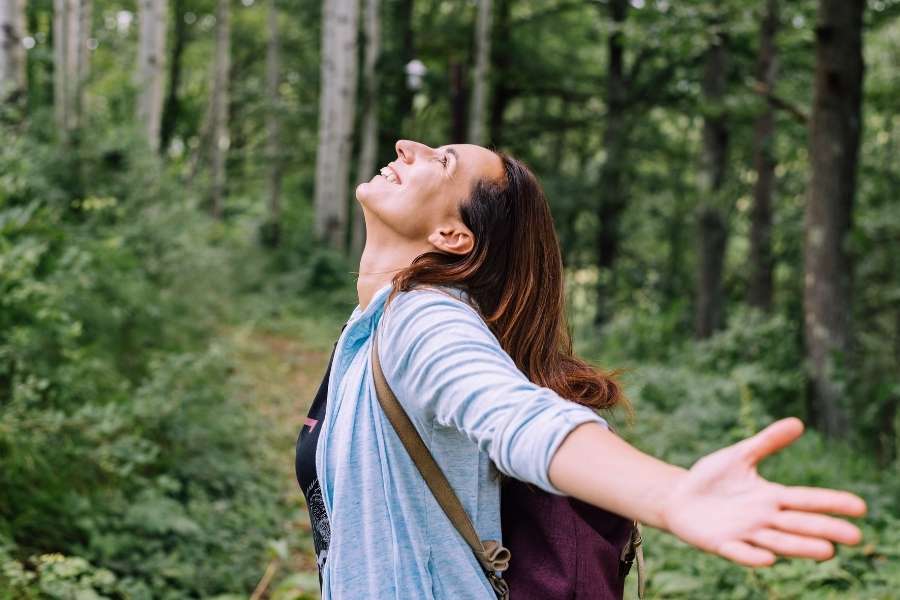
Are you tired of constant screen glare and daily city noise? Your body needs a real break from persistent digital exhaustion. Slowing down under green leaves offers immediate relief. This grounding practice is called forest bathing. It gently restarts your worn nervous system during any travel stay. You leave behind deadlines and rediscover genuine peace among the trees.
Stepping into a quiet woodland changes your physical biology very fast. Clean air fills your lungs while your racing thoughts pause. You do not need expensive sports gear or heavy physical endurance. Spending a simple afternoon beneath tall branches creates deep shifts. It turns any weekend trip into an authentic healing retreat. Here is what is forest bathing and how to try it on your travels.
The Art and Origins of Shinrin Yoku
Ancient cultures always understood the quiet medicine carried by deep woodlands. In the 1980s, Japanese researchers studied this restorative balance closely. They created the term shinrin yoku to fight intense office burnout. The direct translation simply means bathing inside the forest atmosphere. It never requires steep mountain climbs or breathless athletic training. You wander slowly without checking map pins or fitness watches. Choosing to start moving every day for body transformation begins with these gentle woodland steps. Scientists across Japan tested blood samples from people walking under trees. They found swift drops in tension hormones among all participants. Today, doctors actively prescribe shinrin yoku for lingering mental fatigue. Modern travellers love weaving these gentle sessions into holiday schedules. Integrating regular forest bathing helps you shed work anxiety naturally. You tune your breath to the quiet whisper of leaves.
Unlocking the Roots of Mindful Forest Encounters
Leaving your smartphone in a cabin room takes conscious discipline. Our modern brains crave constant digital pings and quick dopamine hits. Yet woodland paths break this exhausting cycle within minutes. Tall trees ask absolutely nothing from your crowded mental schedule. You do not have to perform, answer emails, or rush. The living woods welcome you just as you are.
Learning what is forest bathing and how to try it anchors your scattered attention. Soft light and rustling leaves soothe your tired visual senses. Your brain rests deeply because nature demands no urgent decisions. The green canopy shelters you from daily urban noise. Choosing mindful forest bathing enriches your travel journey with deep calm. You discover a steady peace that stays with you.
The Biological Science Behind Tree Healing
Woodland calm is far more than pleasant silence and scenic beauty. Trees defend their own bark and leaves by releasing airborne chemicals. These organic antimicrobial plant compounds are known as phytoncides. Conifers like pine, cedar, and oak produce them continuously. When you walk along damp trails, you breathe these molecules. Your body absorbs natural plant medicine with every steady breath. Taking quiet time outside helps you practice daily self-care without guilt while traveling. Medical studies confirm that inhaling phytoncides sparks vital cellular reactions. Nippon Medical School showed that tree aerosols raise protective white cells. These human natural killer cells fight dangerous viruses and harmful cells. The physical defense boost lasts for weeks after your trip. Practicing regular forest bathing gives your body powerful organic shielding. You return home feeling resilient and thoroughly protected.
Breathing in Plant Defense Compounds
Pine and cedar groves hold exceptionally rich air for your lungs. The moist forest floor keeps these protective aerosols suspended gently. You can smell their sharp, fresh scent after light rainfall. Every slow step delivers plant compounds straight to your circulation. This invisible shield of phytoncides cleanses your respiratory channels effortlessly.
Researchers notice lower sickness rates in communities surrounded by thick forests. Seeking the real health benefits of spending time among trees supports your long-term vitality. Clean forest air contains far fewer industrial pollutants than cities. Each breath cleanses your blood and calms irritated bronchial passages. A single session of forest bathing provides deep healing you can feel immediately.
A quiet walk through damp pine woods delivers tree aerosols straight to your lungs, lifting cellular health naturally.
How Shinrin Yoku Lowers Blood Pressure and Calms the Heart
Modern urban living keeps our hearts beating at stressful paces. Traffic noise, sirens, and crowded streets raise baseline cardiovascular tension. Doctors studying how shinrin yoku lowers blood pressure observe immediate drops in arterial strain. Heart rates slow down gracefully among towering branches and mossy rocks. Arteries relax as stress hormones exit your bloodstream.
The parasympathetic nervous system turns on when you watch green branches. Blood vessels dilate naturally without the push of chemical medications. Experts exploring the therapeutic effects of walking in the woods report notable cardiac improvements. Blood moves smoothly to nourish your vital internal organs. Taking time for forest bathing protects your cardiovascular system while you travel.
Cardiovascular Relief Through Woodland Presence
Loud city sounds trigger quiet fight-or-flight reactions all day long. In contrast, forest trails offer gentle natural acoustic frequencies. Whispering winds, trickling brooks, and distant birds soothe your auditory nerves. Your heart rhythms synchronize gently with the quiet cadence of nature. The chronic pressure on your chest softens and fades away.
Clinical data shows that two hours in nature eases arterial walls. Blood flows without unnecessary resistance through your veins and arteries. This vascular relief brings welcome stress relief after exhausting travel days. Practicing purposeful forest bathing lets your pulse find a healthy baseline. You return home with a rested heart and steady pulse.
Awakening the Senses Through Sensory Immersion
Most professionals live almost entirely inside their racing thoughts today. We stare at screens while ignoring our physical senses completely. Woodland getaways break this unhealthy trance through complete sensory immersion. The natural world invites you to use every single sense. You feel rough bark, smell rich soil, and hear branches. This multi-sensory shift anchors you firmly in the present moment.
Developing sharp sensory awareness requires slow pacing along the path. Stop frequently to touch cold river stones or damp moss. Notice subtle pine fragrances carried along by warm afternoon breezes. These tactile moments ground your busy mind in physical reality. Practicing intentional sensory immersion silences mental clutter and anxious thoughts. Mindful forest bathing turns your walk into deep physical meditation.
Cultivating Mindful Sensory Awareness
When your senses wake up, anxious mental chatter dissolves completely. Walk barefoot on soft moss if the trail is safe. Notice cool moisture rising gently from the rich soil beneath. Watch how sunlight filters through green leaves above your head. These simple details pull you away from yesterday’s worries.
This focused presence keeps your mind resting in the present. Engaging with nature delivers fast, reliable stress relief on holiday. You notice delicate wildflowers that rushed travelers pass by blindly. Through dedicated forest bathing, every woodland path becomes a peaceful playground. Your perspective clears as you walk without haste.
The Mental Reset: Stress Relief and Emotional Healing
Emotional exhaustion makes our shoulders tense and our breath shallow. Staying indoors too long leaves our spirits depleted and weary. Walking under leafy canopies creates room for authentic emotional healing. Ancient trees stand patiently without judging your moods or struggles. You can drop heavy emotional baggage on the trail. The woods offer a quiet haven for your mental recovery.
Brain scans reveal that natural landscapes quiet the prefrontal cortex. This brain area drives repetitive worry and anxious looping thoughts. Woodland visitors experience quick stress relief as mental tension drains away. Living trees serve as an accessible form of natural therapy. Practicing slow forest bathing clears away mental fatigue and restores joy.
Restoring Balance Through Natural Environments
Emotional burdens feel lighter when you sit beside sturdy trunks. Massive trees remind us that storms pass and growth takes time. Our modern anxieties seem smaller against the timeline of ancient groves. This quiet shift happens without reading books or analyzing feelings. You sit softly while the woodland performs its quiet mending.
Therapists celebrate the profound emotional healing nurtured by outdoor spaces. Green surroundings foster self-kindness, patience, and clear personal insight. Soaking in the therapeutic effects of walking in the woods softens feelings of isolation. Your heart finds stability among living foliage and quiet streams. Through gentle forest bathing, you give your mind permission to rest.
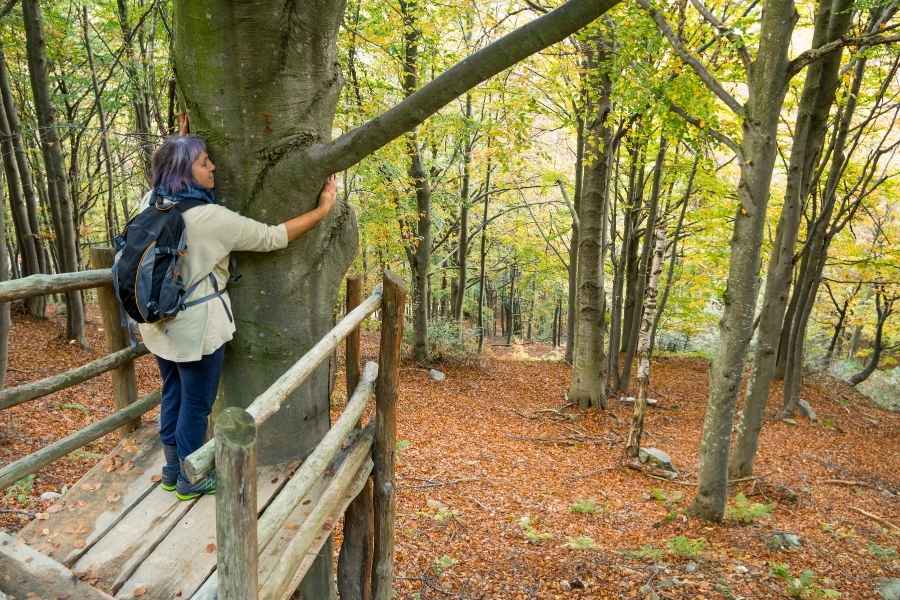
Sit quietly with your back against a wide tree trunk. Breathe out lingering frustration while watching flowing water. Trade frantic haste for the unhurried growth of the forest. Let natural silence melt away annoying work concerns.
Boosting Your Immune Shield and Vital Energy
Our immune health suffers when work stress disrupts our sleep. Travel vacations offer the perfect window to rebuild depleted natural defenses. Enjoying the health benefits of spending time among trees strengthens your baseline immunity. Time spent outside triggers active protective cells throughout your body. You build resilience that stays strong long after your holiday.
This physiological restoration provides a lasting immune boost against seasonal sickness. Woodland air increases white blood cells while dampening internal inflammation. Fresh oxygen and gentle exercise replenish your reserves of vital energy. You leave the woods feeling rested rather than worn out. Practicing forest bathing serves as a dependable form of natural therapy.
Recharging Your Internal Battery in the Wild
Stuffy offices and artificial lights drain our physical stamina daily. Stepping into the woods fills your lungs with pristine oxygen. Your body absorbs vitality with each slow step along the path. Crisp forest air blows away sluggish morning fatigue naturally.
Experiencing this steady immune boost proves the true worth of green escapes. As circulation improves, your physical stamina climbs back up quickly. You regain lost enthusiasm, creative focus, and cheerful anticipation. Tapping into this renewed vital energy makes your vacation truly rewarding. Consistent forest bathing leaves you feeling bright, healthy, and completely renewed.
Practical Steps: How to Practice Forest Bathing on Your Next Stay
You do not need athletic gear or wilderness survival skills. Pick a quiet wooded spot near your holiday cabin or hotel. Turn off your phone and leave digital gadgets behind. Walk at an easy wandering pace without counting your steps. Pause often to examine colorful leaves or sit beside water. Let curiosity direct your feet instead of a strict map.
Spend at least an hour wandering slowly through the green grove. Match your breathing to the slow rhythm of the woods. If work problems pop up, gently guide your thoughts back to nature. Soaking up the health benefits of spending time among trees needs unhurried time. Immersing your senses in forest bathing lets true relaxation happen easily. Your holiday becomes a wonderful gift to your overall health.
FAQ
What is the difference between regular hiking and forest bathing?
Hiking focuses on physical exercise, completing trail miles, and reaching peaks. In contrast, forest bathing focuses on slow sensory presence, quiet mindfulness, and total rest.
How long should a forest bathing session typically last?
A good session lasts between one and two hours for full nervous system recovery. Even twenty unhurried minutes in a local grove brings noticeable calming benefits.
Do I need a certified guide to practice shinrin yoku?
You do not need a guide to enjoy the benefits of nature. You can practice alone by silencing your phone, moving slowly, and noticing your surroundings.
