
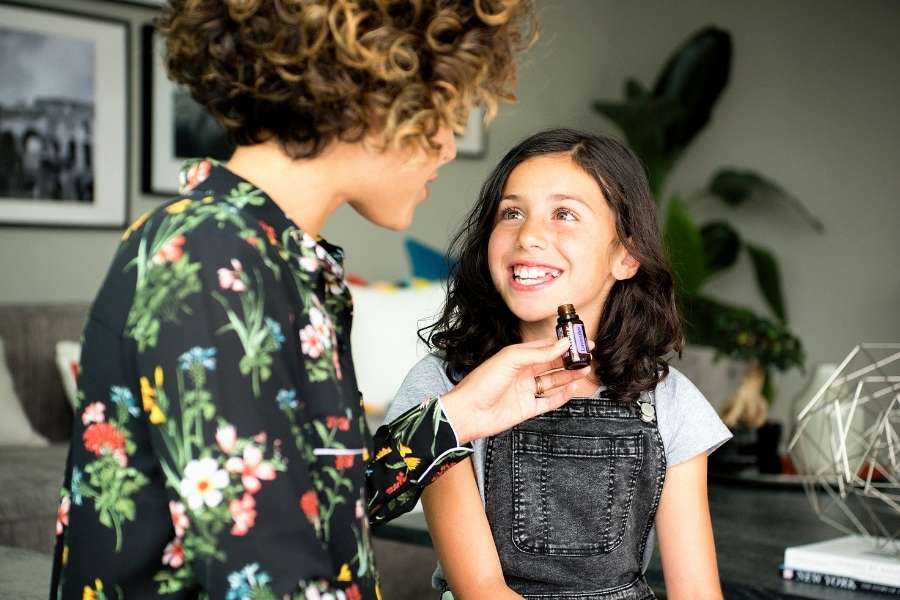
Essential Oil Blending opens doors to a world where you become the artist of your own aromatic masterpiece. Imagine walking into a room and leaving behind a scent that’s unmistakably yours, something no perfume counter can replicate. That’s the magic waiting for you in the art of blending essential oils for beginners. You’re not just mixing liquids in tiny bottles. You’re composing sensory symphonies that can elevate your mood, transform your space, and even become your personal calling card. The best part? You don’t need a chemistry degree or a professional lab to get started. All you need is curiosity, a few basic tools, and the willingness to experiment with nature’s most potent aromatic treasures.
The journey into creating custom essential oil blends might seem intimidating at first. After all, there are hundreds of essential oils available, each with its own personality and quirks. But here’s the secret that experienced blenders know: you can create stunning signature scents with just a handful of carefully chosen oils. Think of it like learning to cook. You don’t need every spice in existence to make a delicious meal. Similarly, mastering essential oil blending techniques starts with understanding a few foundational principles and building from there. Whether you dream of crafting your own natural perfume, designing a calming room spray, or formulating a personal wellness blend, the skills you develop will serve you for life.
Understanding the Fundamentals of Essential Oil Blending
Before you dive into mixing bottles like a mad scientist, let’s talk about what makes essential oil blending actually work. Essential oils aren’t just pleasant smells in pretty packaging. They’re highly concentrated plant extracts, each containing dozens or even hundreds of chemical compounds. When you combine different oils, these compounds interact in complex ways. Some amplify each other, creating something more powerful than the sum of their parts. Others mellow out rough edges or add unexpected depth. This is why aromatherapy blending basics matter so much. Random mixing might occasionally yield happy accidents, but understanding the foundation helps you create intentional, repeatable results.
The concept of fragrance notes forms the backbone of successful essential oil blending for custom scents. Professional perfumers have used this classification system for centuries, and it translates beautifully to natural essential oil work. Top notes are your first impression, the scents that hit your nose immediately but fade quickly. Think citrus oils like lemon, bergamot, or grapefruit, or bright herbals like peppermint. Middle notes, also called heart notes, emerge as top notes fade. These form the core character of your blend. Lavender, rosemary, and most florals fall into this category. Base notes are your foundation, the deep, rich scents that linger for hours. Sandalwood, patchouli, and vanilla sit in this camp. A well-balanced signature scent typically includes representatives from all three categories, creating a fragrance that evolves beautifully over time.
Safety considerations can’t be skipped when you’re learning how to blend essential oils safely. These aren’t gentle flower waters. Essential oils are potent substances that demand respect. Some oils irritate sensitive skin even when properly diluted. Others cause photosensitivity, meaning they make your skin more vulnerable to sun damage. Pregnant women, children, and people with certain health conditions need extra caution. Always dilute essential oils before applying them to skin. A good rule of thumb for body products is a 2% dilution, which means about 12 drops of essential oil per ounce of carrier oil. When creating beginner-friendly essential oil recipes, start with lower concentrations and work your way up as you learn how your skin responds.
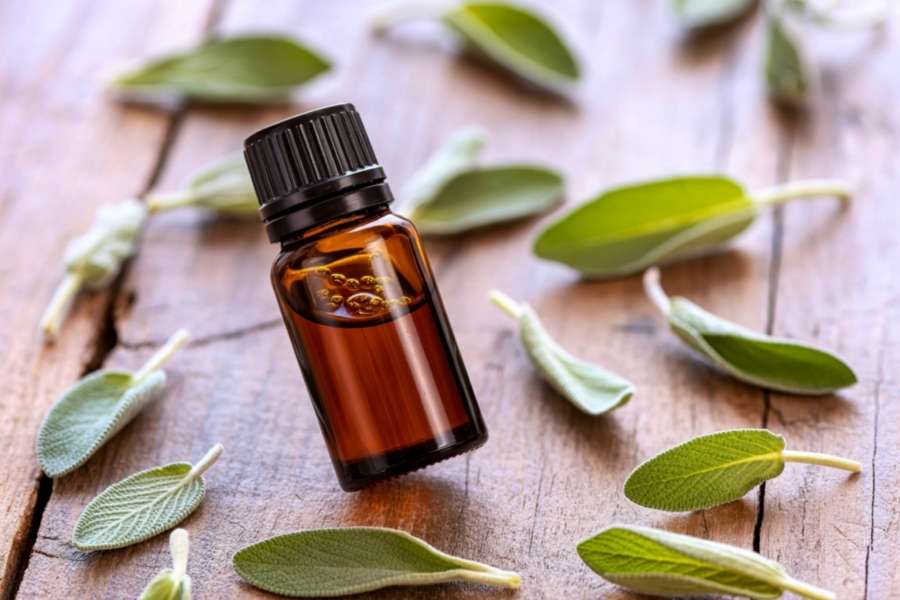
Essential Oil Blending: Building Your Starter Collection
You don’t need to mortgage your house to begin your essential oil blending adventure. Starting with a focused collection of versatile oils makes more sense than buying every oil that catches your eye. Quality matters far more than quantity here. One bottle of pure, therapeutic-grade lavender oil will serve you better than ten bottles of questionable oils from the bargain bin. When selecting your essential oils for creating signature scents, look for reputable suppliers who provide botanical names, country of origin, and extraction methods. These details tell you the company knows their stuff and cares about quality.
For your foundational collection, consider these workhorses of the essential oil blending world. Lavender belongs in every beginner’s kit because it plays well with nearly everything. It’s the Switzerland of essential oils, bringing balance and harmony wherever it goes. Sweet orange adds brightness and joy to blends while being gentle enough for most applications. Peppermint provides that cooling, energizing kick, perfect for DIY essential oil perfume blends that wake you up. Tea tree offers purifying properties and a clean, medicinal note that works surprisingly well in masculine scents. Eucalyptus brings that spa-like freshness, ideal for respiratory blends and invigorating room sprays.
Once you’ve mastered those basics, expand strategically based on the types of custom aromatherapy blends you want to create. For romantic, floral signatures, add ylang ylang and geranium to your collection. If you lean toward earthy, grounding scents, invest in patchouli and vetiver. Citrus lovers should explore the nuances between bergamot, lemon, lime, and grapefruit. Each brings its own personality despite belonging to the same family. Woodsy enthusiasts will fall hard for cedarwood, sandalwood, and frankincense. These oils teach you about depth and longevity in essential oil blending for personalized fragrances. Don’t rush this process. Adding one or two new oils every few months gives you time to truly understand each addition before moving forward.
Mastering Essential Oil Blending Ratios and Proportions
The mathematics of essential oil blending might sound dry, but this is where creativity meets chemistry in beautiful ways. Understanding ratios transforms you from someone randomly mixing oils to a true blend artist. The classic formula follows that note structure we discussed earlier: 30% top notes, 50% middle notes, and 20% base notes. This creates a well-rounded fragrance that opens bright, settles into a pleasant heart, and finishes with lasting depth. However, like any rule in art, you can break this once you understand why it exists. Some of the most interesting personalized essential oil scent combinations deliberately skew these proportions to create unexpected effects.
Let’s make this practical with real numbers for your essential oil blending experiments. Say you’re creating a 10ml roller bottle of natural perfume. Following the classic ratio, you’d use approximately 30 drops total of essential oils in your carrier oil. That breaks down to 9 drops of top notes, 15 drops of middle notes, and 6 drops of base notes. For a cheerful morning blend, you might choose 6 drops sweet orange and 3 drops peppermint as your top notes. Add 10 drops lavender and 5 drops geranium for your middle. Finish with 6 drops sandalwood as your base. Suddenly, creating signature scents with essential oils doesn’t seem so mysterious, right?
The beauty of essential oil blending ratios for beginners lies in their flexibility once you grasp the basics. Want a fresher, more uplifting scent? Increase your top note percentage to 40% and decrease your base notes to 10%. Dreaming of a deep, mysterious fragrance that lingers all day? Flip it, using 40% base notes and just 20% top notes. Keep detailed notes about your experiments. Record exact drop counts, ratios, and your impressions of the finished blend. Nothing feels worse than creating your perfect signature scent and then realizing you can’t remember what you put in it. Your blend journal becomes your most valuable tool in mastering advanced essential oil blending techniques.
Essential Oil Blending Techniques for Different Applications
Essential oil blending transforms dramatically depending on your end goal. The principles remain constant, but application methods require different approaches. Creating a perfume demands different techniques than formulating a room spray or massage oil. Each application has its own ideal carrier, dilution rate, and blending method. Understanding these nuances elevates your essential oil blending from hobby to true skill. Let’s break down the most popular applications so you can confidently create products that actually work the way you intend.
For natural perfume blending with essential oils, alcohol becomes your best friend. A high-proof vodka or perfumer’s alcohol allows essential oils to disperse evenly while helping the fragrance project from your skin. Mix your chosen essential oils first, then add them to alcohol in a spray bottle. The typical ratio sits around 15-20% essential oils to 80-85% alcohol. Let this mixture age for at least two weeks, shaking it daily. This maturation period allows the scent notes to marry and mellow. Some blends improve dramatically over months, like fine wine. If you prefer oil-based perfumes, jojoba oil makes an excellent carrier because it closely mimics skin’s natural sebum and doesn’t go rancid quickly.
Room sprays and linen sprays require a different approach to essential oil blending altogether. Water and oil don’t naturally mix, so you need an emulsifier. Witch hazel works beautifully for this purpose, or you can use a tiny amount of vegetable glycerin. The formula typically combines 80% distilled water, 10% witch hazel, and 10% essential oils. For a 4-ounce spray bottle, that’s about 3 ounces water, 1/2 ounce witch hazel, and 1/2 ounce of your custom essential oil blend recipe. These sprays need vigorous shaking before each use since complete emulsion is nearly impossible with natural ingredients. This is actually a feature, not a bug, as it lets you know you’re using real, pure ingredients.
Massage oils and body oils showcase essential oil blending at its most luxurious. Here, your carrier oil choice matters tremendously. Sweet almond oil provides good slip without feeling greasy. Fractionated coconut oil never goes rancid and absorbs quickly. Grapeseed oil suits oily skin types beautifully. For dry skin, try adding a small percentage of richer oils like avocado or rosehip seed oil to your base. Keep dilutions low for body application, typically 1-2% for daily use products. This means 6-12 drops of essential oils per ounce of carrier oil. Therapeutic blends for specific concerns might go higher, but always research safety guidelines for the specific oils you’re using.
Creating Your Signature Scent Through Essential Oil Blending
Now comes the exciting part where all your learning transforms into something uniquely yours. Essential oil blending for your signature scent is deeply personal. Your perfect fragrance should feel like an extension of your personality, capturing something essential about who you are. Maybe you’re drawn to fresh, clean scents that make you feel organized and capable. Perhaps dark, mysterious blends speak to your creative soul. Or you might gravitate toward warm, comforting fragrances that feel like home. There’s no wrong answer here, only your answer.
Start your signature scent journey with what perfumers call a scent profile exercise. Smell your existing essential oil collection and sort them into three piles: love, like, and no thanks. Focus on your love pile for your first signature blend attempts. These are oils your nose naturally gravitates toward, so they’re most likely to create something you’ll actually wear. Notice patterns in your favorites. Do they cluster in a particular note category? Are they all florals, or do you prefer bright citruses? Understanding your natural preferences guides your essential oil blending choices more reliably than following someone else’s recipe.
The blending strips technique makes experimenting with custom essential oil fragrance formulas much easier. These are small strips of absorbent paper that you can wave under your nose without committing precious oils to an actual bottle. Place a drop of each potential oil on separate strips, then hold them together under your nose in different combinations. Move them closer or farther apart to simulate different proportions. This method lets you audition hundreds of combinations before mixing a single drop. Once you find a combination that makes your heart sing, write down exactly which oils you held together and in what approximate proportions.
Testing your signature blend requires patience but pays enormous dividends. Essential oil blending isn’t like cooking where you can taste-test along the way. Scents need time to develop and merge. Create a small batch of your potential signature, then apply it to your skin and live with it for a full day. How does it smell right after application? What about two hours later? Six hours later? Does it interact well with your body chemistry, or does something weird happen? Your skin’s pH and natural oils affect how fragrances develop, which is why a blend can smell completely different on two people. Don’t fall in love with a wet sniff. Fall in love with how it wears throughout your day.
Troubleshooting Common Essential Oil Blending Mistakes
Even experienced blenders create disasters sometimes. That’s part of the creative process. Knowing how to fix or prevent common essential oil blending mistakes saves you time, money, and frustration. Let’s talk about what goes wrong most often and how to rescue blends that aren’t quite working out. The good news? Most mistakes are fixable if you catch them early.
One of the most frequent problems in beginner essential oil blending mistakes is heavy-handed use of dominant oils. Certain essential oils, particularly peppermint, eucalyptus, clove, and cinnamon, bully their way to the front of any blend. Use just one drop too many, and they obliterate everything else. If you’ve created a blend where all you smell is mint when you wanted a balanced herbaceous scent, don’t throw it out. Simply make a larger batch of the same formula but reduce or eliminate the overpowering oil. Mix this new batch with your too-strong blend until the proportions balance out. This teaches you to use strong oils very conservatively in future blends.
Another common issue in essential oil blending involves scent clash rather than dominance. Sometimes oils that should theoretically work together create an unpleasant combination on your specific skin or in your nose. There’s no universal rule for which oils clash because personal perception varies wildly. What smells like heaven to your friend might smell like chemicals to you. If you’ve created a blend that just smells “off” or “muddy” without one clear culprit, try the subtraction method. Re-create the blend removing one oil at a time. Make small samples with each variation. This detective work usually reveals the problem ingredient, and you’ll have learned something valuable about your personal scent preferences.
Blends that disappear too quickly plague many people working on essential oil perfume blending. You create what smells like the perfect scent, but it vanishes from your skin within minutes. This typically means insufficient base notes or too many volatile top notes. The fix requires reformulation. Increase your base note percentage and consider whether you’ve chosen base notes with enough tenacity. Not all base notes are created equal in terms of longevity. Sandalwood, vetiver, and patchouli have serious staying power. Cedarwood is a bit lighter and shorter-lived. If longevity is your goal, lean toward the powerhouse base notes and be generous with them in your formulas.
Seasonal Essential Oil Blending Inspiration
Your signature scent doesn’t need to stay static throughout the year. Many blend enthusiasts develop seasonal essential oil blends that reflect changing moods and weather. There’s something delightful about having a light, fresh spring scent, a bright summer fragrance, a cozy autumn blend, and a warm winter signature. These variations keep your scent wardrobe interesting while allowing you to explore different aspects of essential oil blending artistry.
Spring calls for renewal and freshness in your essential oil blending projects. Think green, dewy scents that capture the essence of new growth. A beautiful spring signature might combine grapefruit and bergamot as top notes for that bright, optimistic opening. Add geranium and lavender as heart notes to bring in soft florals without overwhelming sweetness. Ground everything with just a touch of cedarwood or oakmoss for an earthy finish that keeps the blend from floating away. This type of scent works beautifully for morning routines and professional settings where you want to smell fresh and approachable.
Summer invites experimentation with tropical essential oil blend recipes that feel vacation-ready. Go bold with juicy notes that match the season’s energy. Try combining lime, sweet orange, and a tiny drop of peppermint for an invigorating top. Add ylang ylang and a touch of jasmine absolute if you can splurge on it for a sultry, exotic heart. Finish with vanilla and a whisper of sandalwood for a warm, beachy base. This blend transports you to a hammock between palm trees, even if you’re stuck in a cubicle. Summer scents can be more playful and less serious than other seasons, so have fun pushing boundaries.
As leaves change, your essential oil blending can embrace warmer, spicier territories. Autumn signatures often incorporate actual spice oils, though they require careful handling due to their strength. Consider a cozy fall blend using sweet orange and cinnamon leaf for your top notes. The cinnamon should be just barely perceptible, more of a suggestion than a statement. Add clary sage and cardamom for interesting middle notes that feel both herbal and slightly exotic. Ground everything with generous patchouli and vanilla for a base that feels like your favorite sweater. These deeper, richer blends complement cooler weather and longer nights perfectly.
Winter essential oil blending projects can go in multiple directions depending on your style. Some people love bright, spicy scents that combat dark days with cheer. Others prefer contemplative, meditative blends that match winter’s introspective energy. For a grounding winter signature, try combining frankincense and cypress as your middle-to-base notes with hints of fir needle for that forest-in-snow quality. Add just a touch of blood orange to the top for brightness without going full summer. This type of blend feels timeless and sophisticated, perfect for the season of reflection and renewal as one year ends and another begins.
Expanding Your Essential Oil Blending Skills
Once you’ve mastered basic essential oil blending, a whole world of advanced techniques awaits exploration. These methods take your blends from pleasant to professional-quality. You don’t need to rush into advanced territory, but knowing what’s possible helps you grow as a blender. Plus, some advanced techniques are actually simpler than they sound. They just require patience and attention to detail.
Synergy blending represents one of the most rewarding aspects of advanced essential oil blending for therapeutic benefits. This approach focuses on creating blends where oils work together to amplify specific effects beyond what individual oils could achieve. For example, lavender and Roman chamomile each promote relaxation independently. Combined, they create a synergistic effect that’s more powerful than simply adding their individual benefits together. Research which oils share complementary chemical constituents. Oils high in linalool, for instance, often blend synergistically with oils containing linalyl acetate. This takes your essential oil blending into chemistry territory, but it’s fascinating stuff once you start exploring.
Accord development is a technique borrowed from professional perfumery that elevates custom essential oil scent creation dramatically. An accord is a mini-blend within your larger blend, a combination of oils so perfectly balanced that they smell like a single, unified note. For instance, you might create a “rose accord” using geranium, palmarosa, and a touch of rose absolute. This accord then becomes one ingredient in your larger signature scent formula. Building accords first and then combining them creates depth and complexity that single-note blending can’t achieve. Professional perfumers work almost entirely in accords, which explains why their fragrances have such remarkable sophistication.
Maturation and aging might sound fancy, but it’s simply giving your essential oil blends time to develop. Just as wine improves with age, essential oil blends often smell significantly better after resting for days or weeks. Chemical marriage occurs when the volatile compounds in different oils intermingle and stabilize. A blend that smells sharp or disjointed when fresh might transform into something smooth and cohesive after two weeks in a dark cupboard. Get in the habit of making your blends in advance and letting them rest. This simple technique improves nearly every blend you create, costing nothing but a little patience.
