
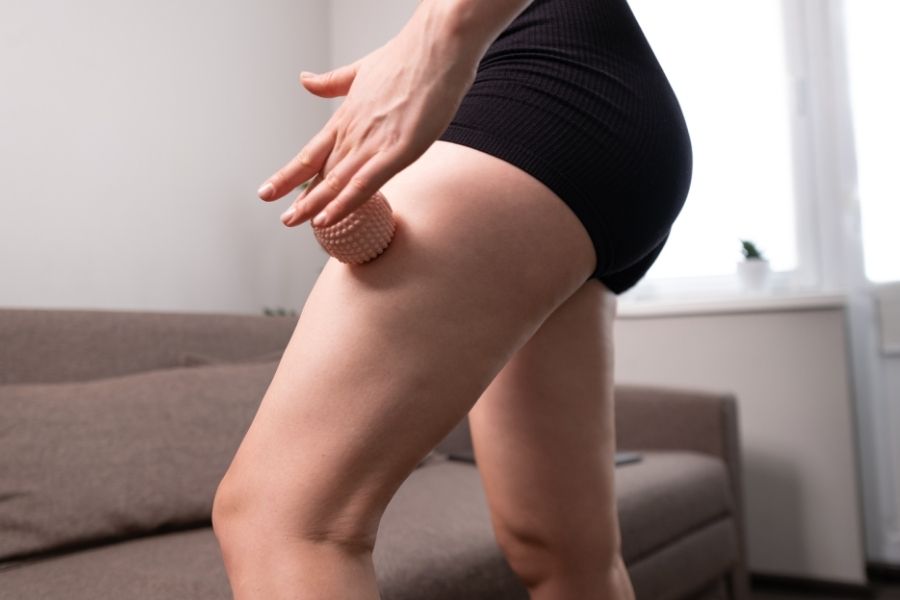
Self-massage techniques saved my sanity during the most stressful period of my life. Three years ago, I was working 12-hour days, my neck felt like a brick wall, and spa appointments were laughably out of budget. That’s when I stumbled upon something that changed everything: learning to be my own personal masseuse.
Forget everything you think you know about needing professional training. Your hands are incredibly powerful healing tools, and honestly, nobody knows your body’s quirks better than you do. That knot in your left shoulder blade? You know exactly where it lives. The tension that builds behind your temples after staring at screens? You feel it coming before anyone else would notice.
Here’s what blew my mind: self-massage isn’t just about physical relief. When I started practicing these techniques regularly, my sleep improved, my mood lifted, and I actually looked forward to these little pockets of self-care in my day. Research from the Touch Research Institute backs this up, showing that massage therapy significantly reduces stress hormones while boosting feel-good chemicals like serotonin.
The best part? You can do this anywhere, anytime. Stuck in a boring meeting? Temple massage under the table. Netflix binge night? Perfect time for foot work. Middle of the night with a crick in your neck? You’ve got this.
Why Self-Massage Techniques Beat Expensive Spa Visits Every Time
Let’s be real about something: professional massages are amazing, but they’re also expensive, require appointments, and sometimes the therapist’s pressure is way off from what you actually need. Self-massage gives you complete control over the experience.
When you massage yourself, you get instant feedback. Too hard? Ease up. Need more pressure on that stubborn spot? Go for it. Your muscles literally tell you what they need in real-time, and you can adjust accordingly. No awkward conversations about pressure levels or trying to describe where exactly it hurts.
The science behind this is actually pretty cool. When you apply pressure to tight muscles, you’re basically tricking your nervous system. Your brain gets so busy processing the touch signals that it temporarily “forgets” about the pain signals. It’s called gate control theory, and it explains why your first instinct when you bump into something is to rub it.
Plus, there’s something deeply satisfying about fixing your own problems. Every time you work out a knot or ease a headache with your own hands, you’re building confidence in your body’s ability to heal and feel better. That empowerment is worth its weight in gold.
Self-massage techniques also help you become ridiculously good at reading your body’s signals. After a few weeks of regular practice, you’ll start catching tension before it becomes a problem. You’ll notice when your shoulders are creeping up toward your ears or when your jaw is getting tight from stress.
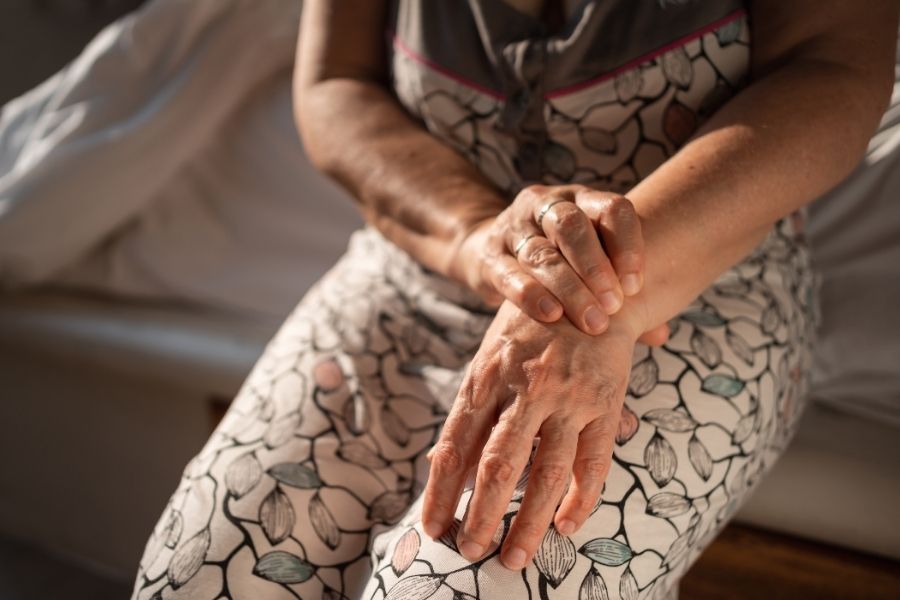
Self-Massage Techniques That Actually Work for Your Face
Your face holds way more tension than you realize. Between squinting at phones, grinding teeth during stressful meetings, and making unconscious expressions all day, those facial muscles get seriously overworked. The good news? Facial self-massage is surprisingly effective and feels amazing.
Start with clean hands and a tiny bit of facial oil or moisturizer. You don’t want to drag your skin around. Think gentle but purposeful movements, like you’re coaxing your muscles to relax rather than forcing them into submission.
Your temples are tension magnets. Most people carry stress here without even knowing it. Using your index and middle fingers, make small circles with gentle pressure. Breathe while you do this. Seriously, the breathing part is crucial because most of us hold our breath when we’re focused on something.
The area around your eyes gets incredibly tight from screen time. Use your ring fingers here because they’re naturally weaker and less likely to apply too much pressure. Work along the bony ridge around your eye socket, never directly on the eyelid itself. This simple move can knock out tension headaches before they really get going.
Jaw Self-Massage Techniques That Actually Provide Relief
Your jaw muscles are probably way tighter than you think. Put your fingers on your cheeks and clench your teeth – feel those big muscles bulge out? Those are your masseters, and they’re probably holding years of stress.
Place your fingers on these muscles and make slow circles. Don’t go crazy with the pressure at first. These muscles can be surprisingly sensitive when you first start working on them. As they start to relax, you can gradually increase the pressure.
Here’s a weird trick that works amazingly well: open your mouth slightly and massage these muscles while moving your jaw gently from side to side. It sounds odd, but it helps the muscle release much more effectively than static pressure alone.
Don’t forget the muscles along your jawline and down into your neck. Tension here contributes to headaches and neck pain more than most people realize. Use your fingertips to trace along your jawline with firm pressure, then work down the sides of your neck toward your collarbones.
Self-Massage Techniques for Your Body That Actually Make a Difference
Body tension usually starts in your shoulders and neck because that’s where stress likes to set up camp. Your upper traps (those big muscles running from your neck to your shoulders) are probably tight right now as you read this. Go ahead, check. Roll your shoulders back – feel that tightness?
Cross-body techniques work great for shoulders because you can actually reach the spots that hurt. Reach your right hand across to your left shoulder and use a pinching motion with your thumb and fingers. Work your way from the base of your neck out toward your shoulder point. When you hit a tender spot, spend extra time there.
For your upper back, try the doorway technique. Stand in a doorway and use the frame to apply pressure to those hard-to-reach spots between your shoulder blades. Lean into the frame and move around until you find the right angle. It’s like having a massage therapist with perfect aim every time.
Lower body work is where self-massage really shines because legs and feet are so accessible. Your legs do an incredible amount of work every day, whether you’re standing, walking, or even just sitting (which is harder on your legs than you’d think).
Self-Massage Techniques for Legs That Feel Like Magic
Always work upward on your legs to help blood flow back toward your heart. Start at your ankles and use long strokes with your palms, applying more pressure on the way up and lighter pressure on the way down. This isn’t just feel-good advice – it actually helps reduce swelling and improves circulation.
Calf muscles respond incredibly well to massage because they’re easy to reach and usually pretty tight. Sit down and use both hands to knead your calf like you’re working bread dough. Use your thumbs to apply deeper pressure while your fingers provide support on the other side. Work slowly and don’t rush it.
For your feet, a tennis ball is your best friend. Roll it under your arch with varying pressure – firm enough to feel it working, but not so hard that you’re grimacing. This simple technique can relieve foot pain and surprisingly affect how your whole body feels.
The bottom of your foot has a thick band of tissue called the plantar fascia that gets incredibly tight, especially if you’re on your feet a lot. Use your thumbs to apply firm pressure along this area, or try rolling a frozen water bottle under your arch. The cold helps reduce inflammation while the pressure releases tension.
Tools and Tricks That Make Self-Massage Techniques Even Better
You don’t need fancy equipment, but a few simple tools can seriously upgrade your self-massage game. Tennis balls are incredible for working out knots and reaching spots your hands can’t access easily. They’re the perfect firmness for most people and cost practically nothing.
Lacrosse balls are like tennis balls’ tougher cousin. They’re smaller and firmer, making them perfect for really stubborn knots or if you need more intense pressure. Use them against walls to work on your back or under your feet for deeper foot massage.
Foam rollers are worth the investment if you’re serious about self-massage. They let you use your body weight for consistent pressure across large muscle groups. The key is moving slowly – spend at least 30 seconds on each area and don’t rush through it.
As for oils, you don’t need anything expensive. Coconut oil works great and has natural antibacterial properties. Jojoba oil absorbs well without leaving you feeling greasy. If you want to get fancy, add a drop or two of lavender essential oil for relaxation or peppermint for an energizing effect.
Real Talk: Warm your oil first by rubbing it between your palms or placing the bottle in warm water for a few minutes. Cold oil on your skin is jarring and not relaxing at all.
When and How Often to Use Self-Massage Techniques
The timing of your self-massage sessions can make a huge difference in how effective they are. Morning sessions should focus on waking up your body and getting blood flowing. Think gentle movements that help you feel more alert and ready to move.
Evening is perfect for working out the day’s tension and preparing your body for sleep. This is when you want to focus on relaxation and releasing all that accumulated stress. A good evening self-massage routine can dramatically improve your sleep quality.
You don’t need to spend hours on this. Honestly, five to ten minutes of focused attention can work wonders. The key is consistency over duration. A few minutes every day beats an hour-long session once a week.
Your body will tell you what it needs if you pay attention. Self-massage should never hurt in a bad way. Some muscle soreness afterward is normal, especially when you’re starting out, but sharp pain means you’re going too hard.
Building Your Self-Massage Techniques Routine
Try dedicating different days to different body parts so you don’t miss anything. Maybe Mondays are for your face, Wednesdays for shoulders and neck, Fridays for legs and feet. This way, everything gets attention without overwhelming yourself.
Mini-sessions throughout the day can be incredibly effective. Two minutes of neck work during a coffee break, hand massage while watching TV, or foot rubs before bed. These little moments add up to make a real difference in how you feel day to day.
If you exercise regularly, use self-massage before and after workouts. Pre-workout massage prepares your muscles for activity, while post-workout sessions help prevent stiffness and speed recovery. Even if you’re not an athlete, this principle applies to any physically demanding day.
Remember, everyone’s body is different. What feels amazing to your workout buddy might not work for you at all. Experiment with different pressures, techniques, and timing until you find what makes your body happy. Trust your instincts – they’re usually right.
