
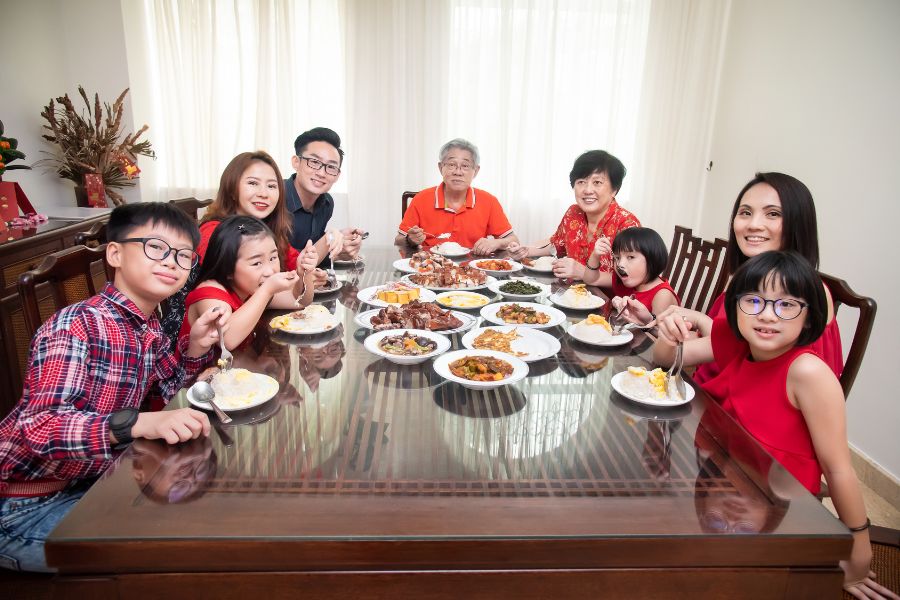
Remember that last night when everyone sat around the table sharing laughs instead of staring silently at glowing screens? If your evening meals feel like a chore rather than a joy, you are not alone. Busy schedules and tired parents can easily drain the magic out of any shared meal. But transforming your dining room into a vibrant hub does not require a culinary miracle. By introducing playful twists, you can easily discover how to make family dinners more enjoyable and turn an ordinary routine into the highlight of your day. Every single household faces the exact same daily struggle of trying to reconnect after long hours spent apart in different places. When you finally sit down to eat, silence often fills the room faster than the food disappears from the plates. Breaking this heavy silence takes a deliberate effort and a willingness to try something totally different every single evening. You do not need expensive ingredients or a professional kitchen setup to completely shift the atmosphere in your dining room. Small, thoughtful adjustments in your routine can create an environment where everyone actually looks forward to gathering together.
Why Evening Gatherings Matter More Than Ever
In today’s fast world, sitting down together for a family dinner offers far more than food. It serves as an anchor for family bonding, creating a safe space where parents and kids can decompress. Research shows that regular family gatherings improve emotional health and daily communication. Yet, when conversations stall at school updates, enthusiasm quickly fades. Revitalizing this daily ritual starts with shifting our perspective on what happens when we gather around the table. Just as planning a unique wedding menu requires thinking outside the box to delight your guests, spicing up your weekly dinner routine takes a little bit of imaginative flair.
Food has always been the ultimate connector across cultures and generations, bridging gaps that words alone sometimes struggle to cross. When you invest time into making the evening meal a priority, you signal to every member of the household that their presence is truly valued. This intentional focus helps melt away the stress accumulated from work deadlines, homework battles, and daily commutes. Over time, these consistent gatherings build a strong foundation of trust and open communication that benefits everyone involved.

Sparking Connection Through Play
Bringing excitement back to the table requires breaking away from rigid routines. When meals become predictable, engagement plummets instantly. Injecting surprises breathes new life into the room, making every single person excited to pull up a chair. Introducing themed food nights once a week builds incredible anticipation. Let children take turns designing the evening menu. Incorporate lighthearted activities that naturally boost communication at dinner.
When kids feel like active participants rather than passive eaters, their entire demeanor changes for the better. They stop rushing through their food just to escape the table and start lingering to hear what happens next. This playful approach turns a mandatory daily obligation into the most anticipated part of the entire day.
Turning Routine Into Anticipation
Moving past mundane chatter is entirely possible when you upgrade your mealtime conversation strategies. Instead of interrogating your kids, invite them to share imaginative scenarios. This simple shift transforms a tense interrogation into a joyful exchange. The table becomes a meeting place and a source of deep camaraderie and love.
Sharing stories from your own childhood or asking about their wildest dreams opens up entirely new pathways for bonding. You will quickly notice that laughter replaces sighs when you stop focusing on rules and start focusing on genuine connection. Every single conversation becomes a stepping stone toward a warmer, more welcoming home environment where everyone feels heard and appreciated.
Six Inspired Strategies to Revive Your Table
Elevating your evening routine is simpler than you think. Here are six proven methods to inject joy, laughter, and deeper connections into your daily routine. Just as parents always pack an emergency diaper bag checklist to handle unexpected bumps on the road with toddlers, keeping a few conversation tricks up your sleeve helps you navigate those awkward teenage silences with absolute ease.
Preparation is the secret ingredient to turning stressful moments into effortless triumphs. When you have a toolkit of fun questions and playful ideas ready to deploy, you never have to worry about the dreaded awkward pause during a meal. Let these six strategies guide your transformation from quiet, tense dinners to lively, unforgettable family feasts.
1. Master the Art of Playful Discussion
One of the easiest creative ways to bring the family together for dinner is by upgrading your dialogue. Utilizing fun conversation starters for family meals bridges generational gaps instantly. Instead of asking generic questions, try prompts that require imagination rather than a simple yes or no. When you want to know how to get kids talking at the dinner table, stop asking about school and start asking absurd hypothetical questions.
For example, ask everyone what superpower they would choose if they could only use it while cooking. This approach opens up even the quietest teenagers. They stop rolling their eyes and start leaning in to share their creative ideas. Playful questions bypass the standard defensive shields that kids put up after a long day in classrooms. Soon, you will find yourselves laughing over ridiculous scenarios that bond the entire family together.
2. Introduce Interactive Dinner Table Games
Eating does not mean you have to sit completely still. Injecting playful challenges changes the entire dynamic of the room. Trivia cards, storytelling chains, or guessing games make the time fly by. Play “Two Truths and a Dream” about upcoming weekend plans. Use conversation dice to prompt silly or deep reflections. Challenge everyone to speak in a polite accent for a whole ten minutes. These little games dissolve tension and make everyone forget about their phones and tablets. The dining room transforms into a playground of words and shared amusement. Even the adults find themselves letting go of their daily worries to participate fully in the fun.
3. Establish Meaningful Family Traditions
Rituals create a sense of belonging and anticipation. Creating a unique custom gives everyone something to look forward to after a long day of work and school. Whether it is a silly hat worn by the designated speaker or a Friday night DIY taco bar, these anchors solidify relationships. Consistency matters, but flexibility keeps things fresh. Blending old customs with unexpected surprises ensures that boredom never creeps into your routine. When children grow up with these special traditions, they carry those warm memories into their own adult lives. These little anchors provide emotional stability and a comforting sense of identity within the family unit.
4. Cultivate Grace Through Modern Table Manners
Teaching etiquette does not have to feel like a strict military drill. Transforming manners into a gentle, rewarding game helps children learn respect without resentment. Instead of constantly correcting posture or cell phone usage, reward positive engagement. Notice when someone actively listens or passes a dish with a smile, turning politeness into a celebrated habit. When good manners are framed as superpowers of respect rather than boring rules, children embrace them willingly. They learn how to navigate social settings with confidence and grace that extends far beyond the family dining room. This positive reinforcement builds lifelong habits rooted in kindness and consideration for others.
5. Rotate the Chef and the Theme
Involving everyone in the preparation process completely alters their investment in the meal. When family members help chop, stir, or choose a global theme, they arrive at the table with genuine pride. Host a weekly international cuisine night inspired by a map destination. Assign different courses to different family members. Turn cleanup into a synchronized dance party with upbeat music. Cooking together teaches valuable life skills while fostering a deep sense of teamwork and cooperation. Everyone appreciates the effort required to put food on the table when they have contributed their own sweat and creativity to the process.
6. Ban Screens and Embrace Presence
True engagement cannot happen in competition with digital notifications. Creating a strict phone-free zone at the table signals that the people sitting right in front of you matter most. Leaving devices in another room removes the temptation to check notifications, allowing authentic dialogue to flourish naturally. The initial resistance to giving up phones quickly fades once everyone realizes how much better real conversations feel. Eye contact, genuine smiles, and active listening return to the forefront of your evening interactions. Protecting this sacred hour from digital distractions creates a peaceful sanctuary where true connection can finally thrive.
Frequently Asked Questions
What are some quick ways to get started if my family is used to quiet dinners?
Start small by introducing one fun question at the beginning of the meal or playing a five-minute trivia game before clearing the plates. Taking small steps prevents anyone from feeling overwhelmed by sudden changes in household rules. Consistency is much more important than trying to overhaul your entire routine overnight. Over time, these small additions will naturally expand into longer and more engaging discussions.
How can I keep teenagers engaged without making them feel interrogated?
Give them control over the playlist or menu selections once a week, and focus on lighthearted, non-judgmental topics. Teenagers crave autonomy and respect, so letting them steer the ship prevents power struggles. Avoid grilling them about grades or behavior during mealtime, and instead focus on shared interests, humor, and current events. When they feel safe from judgment, they will naturally open up and share their world with you.
Are structured games appropriate for younger children?
Absolutely. Simple imagination games and silly storytelling prompts work wonderfully for toddlers and elementary-schoolers alike. Keep the rules flexible and short to match their natural attention spans and energy levels. Making the games interactive and visual keeps them fully entertained throughout the meal. Younger children love repetition, so feel free to bring back their favorite games week after week.
Bringing It All Back Together
Revitalizing your evening routine is not about achieving perfection or cooking gourmet meals every single night. It is about carving out intentional space to connect, laugh, and share life together. Which of these creative approaches will you try at your table tonight? Taking that first step toward a more joyful mealtime experience changes the entire emotional climate of your home. Remember that every small effort you make today builds lasting memories that your family will cherish for years to come. Embrace the messiness, laugh at the failed kitchen experiments, and cherish the wonderful conversations that follow.
