

Gel polish removal doesn’t have to be a nail nightmare that leaves you with damaged, weak, or brittle natural nails. You’ve probably experienced that sinking feeling when peeling off gel polish results in layers of your natural nail coming off too. This common mishap happens to countless people who love the long-lasting beauty of gel manicures but dread the removal process. The good news is that with the right techniques and a bit of patience, you can master gentle gel polish removal methods that keep your natural nails healthy and strong.
Think of your nails as delicate flower petals that need tender care, not aggressive scraping or forceful peeling. When you rush the removal process or use harsh techniques, you’re essentially asking for trouble. Your natural nails become thin, painful, and take weeks to recover their former strength. But when you approach gel polish removal with the right mindset and tools, you’re investing in the long-term health of your nails while still enjoying beautiful manicures.
Understanding Why Gentle Gel Polish Removal Matters for Your Nail Health
Your natural nails are living, breathing parts of your body that deserve respect and care during any beauty routine. When gel polish bonds to your nail bed, it creates a strong connection that requires careful dissolution rather than forceful removal. Many people make the critical mistake of picking, peeling, or scraping off gel polish, which inevitably removes layers of the natural nail surface along with the polish.
The science behind safe gel polish removal lies in understanding how gel polish adheres to your nails. Unlike regular nail polish that sits on top of the nail surface, gel polish penetrates slightly into the nail plate and forms molecular bonds. These bonds need to be broken down chemically, not mechanically torn apart. When you use gentle removal methods, you’re working with your nail’s natural structure rather than against it.
Professional nail technicians always emphasize that patience during removal prevents months of nail recovery time. Your nails grow slowly, typically taking four to six months to completely regenerate. This means any damage you cause during aggressive removal will be visible for months. By contrast, spending an extra fifteen minutes on proper gel polish removal techniques protects your investment in healthy, beautiful nails.
Essential Tools and Materials for Safe Gel Polish Removal at Home
Before you begin any gel polish removal process, gathering the right tools makes the difference between success and disaster. You wouldn’t attempt to bake a cake without measuring cups, and you shouldn’t attempt gel removal without proper supplies. The most important item in your arsenal is pure acetone, not nail polish remover that contains acetone. Pure acetone works more effectively and actually requires less contact time with your nails.
Cotton balls or pads form another crucial component of your DIY gel polish removal toolkit. However, lint-free cotton pads work better than traditional cotton balls because they don’t leave fibers on your nails. You’ll also need aluminum foil cut into squares large enough to wrap around each fingertip, creating a secure seal that prevents acetone evaporation.
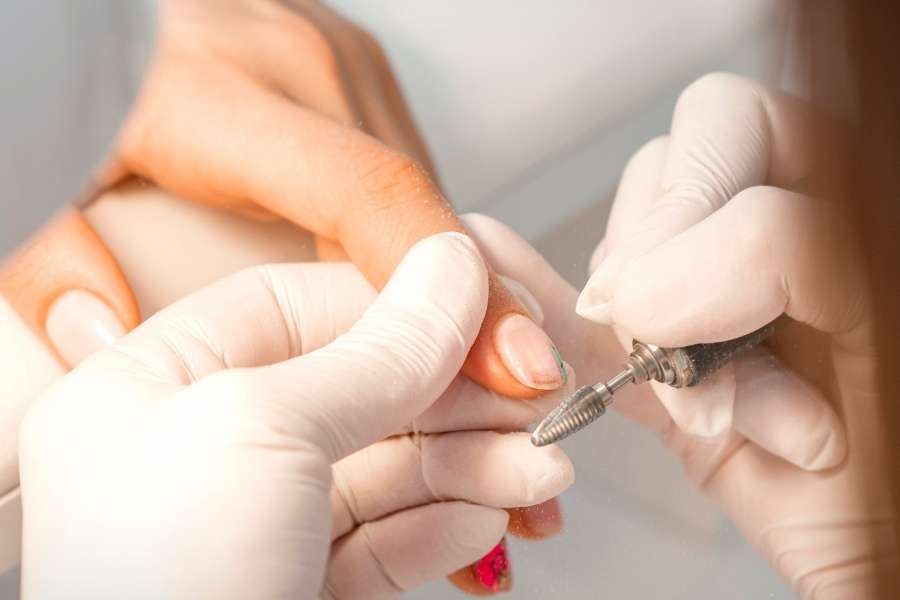
A high-quality cuticle pusher or orange stick helps you gently encourage loosened gel polish to slide off your nails. Never use metal tools aggressively, as they can gouge your nail surface. Instead, think of these tools as assistants that help guide the process rather than force it. Finally, a good nail file, nail buffer, and cuticle oil complete your removal kit and help you finish the process with healthy, smooth nails.
Step-by-Step Guide to Acetone-Based Gel Polish Removal
The acetone soak method for gel polish removal remains the gold standard for protecting your natural nails while effectively removing stubborn gel polish. Start by filing off the top coat of your gel manicure using a coarse nail file. This step breaks the seal and allows acetone to penetrate the remaining layers more easily. Don’t file aggressively; you only need to remove the shiny top layer.
Soak cotton pads in pure acetone until they’re saturated but not dripping. Place one pad on each nail, ensuring complete coverage of the gel polish area. Wrap each fingertip tightly with aluminum foil, creating a secure seal that prevents acetone from evaporating. The foil also creates gentle pressure that helps the acetone work more effectively against the gel polish bonds.
Wait patiently for fifteen to twenty minutes while the acetone does its work. This waiting period is crucial for gentle gel polish removal because it allows the chemical process to dissolve the bonds gradually. After the soaking time, gently press down on each cotton pad and slide it toward the tip of your nail. The gel polish should come off easily with minimal pressure. If you encounter resistance, rewrap that nail and wait another five minutes rather than forcing the removal.
Alternative Methods: Non-Acetone Gel Polish Removal Techniques
While acetone remains the most effective removal agent, some people prefer acetone-free gel polish removal methods due to skin sensitivity or personal preference. Warm water soaking combined with gentle encouragement can sometimes work for newer gel applications that haven’t fully cured or bonded. Soak your hands in warm, soapy water for twenty minutes, then gently push at the edges of the gel polish with a cuticle pusher.
Natural gel polish removal enthusiasts sometimes use oil-based methods, though these require significantly more time and patience. Coconut oil, olive oil, or specialized nail oils can gradually weaken gel polish bonds when applied consistently over several days. This method works best when you’re not in a hurry and want to avoid all chemical removers.
Some people find success with the dental floss method for gel polish removal, which involves carefully working dental floss under the edge of lifting gel polish. This technique requires extreme caution to avoid cutting your nail bed or causing trauma to the surrounding skin. Only attempt this method if the gel polish has already begun lifting naturally at the edges.
Common Mistakes That Damage Your Natural Nails During Removal
Peeling off gel polish might provide immediate satisfaction, but it’s one of the worst things you can do to your natural nails. When you peel gel polish, you’re essentially ripping away layers of your nail plate, leaving behind thin, weak nails that are prone to breaking and splitting. This damage can take months to fully heal and often leads to a cycle of weak nails that break easily.
Rushing the gel polish removal process leads to impatience and poor decisions that harm your nails. Many people try to speed up acetone soaking by using heat sources like hair dryers or placing their hands in warm locations. While gentle warmth can help, excessive heat can dry out your nails and surrounding skin, causing brittleness and irritation.
Using tools incorrectly during removal causes unnecessary trauma to your nail beds and cuticles. Sharp metal instruments should never be used aggressively to scrape off gel polish. Instead, these tools should gently encourage already-loosened polish to slide off naturally. Think of yourself as a sculptor carefully revealing the beauty underneath rather than a demolition crew tearing down a building.
Post-Removal Nail Care: Restoring Nail Health After Gel Polish Removal
After successful gel polish removal, your nails need tender loving care to restore their natural moisture and strength. Acetone, while effective, can be drying to both your nails and surrounding skin. Immediately after removal, wash your hands thoroughly with gentle soap to remove any acetone residue, then pat them dry with a soft towel.
Apply a nourishing cuticle oil or nail treatment to each nail and massage it into the nail bed and surrounding skin. This step replenishes moisture that may have been lost during the removal process and helps your nails recover their natural flexibility. Products containing vitamin E, jojoba oil, or specialized nail strengthening ingredients work particularly well for post-removal nail care.
Consider giving your nails a break between gel manicures to allow them to breathe and recover their natural strength. During these breaks, use strengthening treatments and keep your nails moisturized with regular applications of cuticle oil or hand cream. Your nails will thank you for this recovery time by growing stronger and more resilient.
Professional vs. DIY: When to Seek Help for Stubborn Gel Polish Removal
Sometimes, despite your best efforts, gel polish simply refuses to budge during home removal attempts. This situation often occurs with older gel applications, multiple layers of polish, or particularly strong gel formulations. When you encounter stubborn gel polish removal challenges, knowing when to seek professional help can save your nails from damage.
Professional nail technicians have access to stronger removal products and specialized techniques that aren’t available for home use. They also have the experience to recognize when a removal isn’t progressing normally and can adjust their approach accordingly. The cost of professional removal is often less than the price of repairing damaged nails or dealing with infections from improper home removal attempts.
However, many gel polish removal situations can be successfully handled at home with patience and proper technique. If you’ve followed all the steps correctly and still encounter resistance, try extending the soaking time rather than applying more pressure. Sometimes gel polish just needs a little extra time to fully dissolve, especially if it’s been on your nails for several weeks.
Maintaining Nail Health Between Gel Manicures
The secret to successful long-term gel polish removal lies in maintaining healthy nails between manicures. Strong, healthy nails not only look better under gel polish but also withstand the removal process more successfully. Regular moisturizing, gentle filing, and protective care create the foundation for beautiful nails that can handle multiple gel applications without becoming damaged or weak.
Incorporate nail strengthening treatments into your regular beauty routine, especially during breaks between gel manicures. These treatments often contain proteins, vitamins, and minerals that support healthy nail growth and improve overall nail structure. Consistency with these treatments yields better results than sporadic use of expensive products.
Pay attention to your diet and hydration levels, as these factors significantly impact nail health. Protein-rich foods support strong nail growth, while adequate water intake keeps your nails flexible and less prone to breaking. Consider adding biotin supplements to your routine if you struggle with weak or brittle nails, though consult with a healthcare provider before starting any new supplements.
Your journey to mastering gentle gel polish removal doesn’t have to end with damaged, weak nails. By approaching removal with patience, using proper techniques, and maintaining good nail care habits, you can enjoy beautiful gel manicures without sacrificing your natural nail health. Remember that healthy nails are always more beautiful than perfectly polished damaged ones. Isn’t it time you gave your nails the gentle care they deserve?
