

Picture this: your 18-month-old happily munching on tangy fermented carrots while you wonder if you’ve stumbled upon some parenting superpower. The truth is, you might have. Fermentation cooking represents one of humanity’s oldest food preservation methods, yet it delivers remarkably modern benefits for our smallest family members. This ancient technique transforms ordinary vegetables, grains, and dairy into probiotic powerhouses that support developing digestive systems and growing immune defenses. Why does fermentation cooking matter so much for toddlers today? Modern life often strips away the beneficial bacteria our children need. Processed foods dominate supermarket shelves, antibiotics disrupt natural gut flora, and sterilized environments, while safer, don’t expose little ones to the beneficial microbes their ancestors thrived on. Fermentation cooking bridges this gap, offering a natural solution that nourishes both body and taste buds.
The Science Behind Fermentation Cooking Success
Fermentation cooking works through a fascinating biological process where beneficial bacteria and yeasts transform simple ingredients into nutritional gold mines. These microscopic workers break down complex sugars and proteins, creating easier-to-digest foods while producing vital nutrients that weren’t present in the original ingredients.
Research shows that incorporating even a few servings of fermented foods into your child’s daily diet encourages regular bowel movements and may help with constipation, diarrhea, and upset stomach. The fermentation process creates lactic acid bacteria, which produce natural preservatives and give fermented foods their characteristic tangy flavor that many toddlers surprisingly love.
The magic happens at the cellular level. During fermentation cooking, beneficial microorganisms consume natural sugars and starches, producing lactic acid as their waste product. This acid creates an environment where harmful bacteria can’t survive, while beneficial probiotics flourish. The result? Foods that are not only safer to eat but also packed with living cultures that support your toddler’s developing microbiome.
The bacteria that live in your gut have a significant impact on your immune system. Due to their high probiotic content, fermented foods can give your immune system a boost and reduce your risk of infections like the common cold. For toddlers, whose immune systems are still developing, this protection becomes particularly valuable.
Essential Fermentation Cooking Techniques for Busy Parents
Starting your fermentation cooking journey doesn’t require expensive equipment or complicated procedures. Most traditional methods use simple ingredients you likely already have: vegetables, salt, and time. The beauty of fermentation cooking lies in its accessibility and forgiving nature.
Lacto-fermentation represents the safest and most straightforward technique for beginners. This process relies on naturally occurring bacteria present on vegetable surfaces. Simply chop your chosen vegetables, add salt (typically 2-3% of the vegetable weight), and pack everything into a clean jar. The salt draws out moisture, creating a brine that preserves the vegetables while beneficial bacteria work their magic.
Wild fermentation offers another beginner-friendly approach. This technique harnesses the beneficial microorganisms naturally present in your environment. For sauerkraut, it is being fermented through naturally occurring bacteria and yeasts in the foods and air. This method requires no special starters or cultures, making it perfect for busy parents new to fermentation cooking.
Temperature control plays a crucial role in successful fermentation cooking. Most vegetables ferment best at room temperature (68-72°F), though cooler temperatures slow the process while warmer conditions speed it up. During winter months, ferments may take longer, but this extended timeline often develops more complex flavors that even picky toddlers enjoy.
Food safety remains paramount when practicing fermentation cooking with children in mind. Always use clean equipment, maintain proper salt ratios, and keep vegetables submerged under their brine. These simple precautions ensure harmful bacteria can’t establish themselves while beneficial microorganisms thrive.
Age-Appropriate Cooking Introduction
When should you begin introducing fermented foods to your toddler? Most doctors and health care practitioners are comfortable with offering small amounts once your child has begun solid foods. This typically means around six months of age, though every child develops differently.
Yogurt is probably the best fermented food to serve to 6-month-old babies. It has the right texture, familiar flavor and is packed full of nutrition. The creamy consistency and mild taste make yogurt an ideal first fermented food experience. Choose plain, unsweetened varieties with live active cultures to maximize probiotic benefits.
As your child approaches their first birthday, you can expand their fermented food repertoire. Start SLOW with very small amounts so your baby’s system has time to adjust. If you go too hard too fast you can overthrow the good bacteria and end up with some digestive pains such as gas/bloating/diarrhoea. Begin with just a fingertip taste of sauerkraut juice or fermented vegetable brine.
Portion control becomes essential when introducing fermented foods through your cooking routine. Start by just dipping your finger or spoon into the fermented food of choice e.g. the brine of sauerkraut or other fermented vegetables, beetroot kvass, coconut kefir, cultured coconut yoghurt for a few introductions. Gradually increase quantities as your toddler’s system adapts.
Toddler-Friendly Cooking Recipes
Fermented sweet potatoes offer an excellent starting point for fermentation cooking with toddlers. Their natural sweetness balances the tangy fermentation flavors, while their soft texture works perfectly for little hands and developing chewing skills. Simply cube cooked sweet potatoes, add 2% salt by weight, and ferment for 3-5 days until pleasantly sour.
Cultured applesauce represents another winner in the fermentation cooking repertoire. Traditional applesauce gets transformed into a probiotic-rich treat through simple fermentation. Blend fresh apples with a small amount of salt and whey (if tolerated), then allow the mixture to ferment at room temperature for 2-3 days. The result tastes like tangy apple yogurt that most toddlers devour eagerly.
Sauerkraut is packed with vitamins B, C, and K—essential nutrients to power many functions within your baby’s developing body. However, traditional sauerkraut can be too salty for young palates. Create a low-sodium version by reducing salt content to 1% and rinsing the final product before serving. This modification maintains probiotic benefits while accommodating sensitive kidneys.
Fermented carrot sticks provide the perfect finger food for exploring fermentation cooking flavors. Fermented vegetables, in particular, carrot sticks are soft enough for babies to chew on. Cut carrots into appropriately sized sticks, add salt, and ferment until they reach the desired tanginess. The natural carrot sweetness helps mask the sour notes that might overwhelm young taste buds.
Special Considerations for Fermentation Cooking Safety
Salt content requires careful attention when practicing fermentation cooking for toddlers. Babies and children should eat less salt than adults. This is because their kidneys aren’t fully developed enough to process it properly. Traditional fermented vegetables can contain 1.5-2g salt per 100g, which qualifies as high sodium.
Sauerkraut is high in sodium, so we recommend rinsing it under cold water before serving it to babies under 12 months of age to reduce the sodium content. This simple step removes excess salt while preserving most probiotic benefits. Alternatively, create low-salt ferments specifically for young children using reduced salt ratios.
Alcohol content becomes another fermentation cooking consideration. Some fermented beverages like kombucha or water kefir may contain trace amounts of alcohol. Even though these beverages may only contain trace amounts of alcohol, the safest option is to avoid serving them to your baby or toddler. Stick to fermented vegetables, dairy products, and solid foods until children reach school age.
Honey fermentation poses specific risks for infants. Any food that has undergone fermentation with honey should be avoided entirely in babies under 12 months due to the risk of botulism. Always check ingredient lists when purchasing commercial fermented products to ensure they don’t contain honey.
The Ancient Wisdom of Cooking Traditions
Traditional cultures worldwide have practiced fermentation cooking for millennia, often incorporating these foods into children’s diets from early ages. In Tanzania, these yeast that are used to help ferment certain root vegetables. So for example, cassava or manioc, this is a food staple for people in many developing countries, particularly in most parts of Africa, a very energy dense root crop. After fermentation, these potentially toxic roots become not only safe but nutritious foods for growing children.
Korean families introduce kimchi gradually to young children, starting with milder versions before progressing to spicier varieties. German children traditionally grew up eating sauerkraut as a normal part of their diet, while Japanese families incorporate miso and fermented vegetables into children’s meals from early ages.
These cultural practices didn’t emerge randomly. Fermenting food is an ancient tradition and common practice in many traditional cultures. Fermented foods predigest food, which allows for easier digestion for your baby, increases immunity through added probiotics, increases the bioavailability of vitamins and minerals in the food and establishes healthy bacteria in the intestine. Our ancestors intuitively understood what modern science now confirms about fermentation cooking benefits.
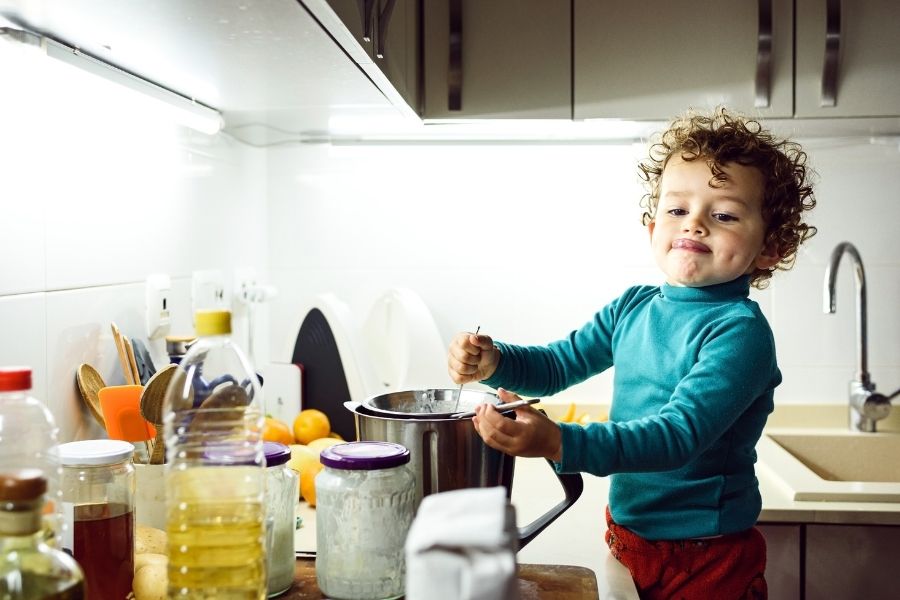
Indigenous fermentation techniques often involved children in the preparation process. This hands-on involvement helped normalize fermented flavors while teaching valuable food preparation skills. Modern parents can adopt similar approaches, allowing toddlers to help wash vegetables or pack jars during fermentation cooking sessions.
Modern Fermentation Cooking Equipment and Tools
Today’s fermentation cooking enthusiasts have access to tools that make the process safer and more consistent than ever before. However, successful fermentation doesn’t require expensive equipment. Most traditional methods work perfectly with basic kitchen supplies: glass jars, wooden spoons, and clean kitchen towels.
Fermentation weights help keep vegetables submerged under their brine, preventing mold growth and ensuring consistent results. These glass or ceramic weights fit inside standard mason jars, making fermentation cooking more foolproof for busy parents. While not essential, they significantly reduce the risk of failed batches.
Airlock lids allow carbon dioxide to escape during fermentation while preventing outside air from entering. This creates an optimal environment for beneficial bacteria while excluding harmful microorganisms. Many parents find these lids invaluable when practicing fermentation cooking with unpredictable schedules.
pH strips help monitor fermentation progress, though experienced practitioners often rely on taste and visual cues. Properly fermented vegetables typically achieve a pH between 3.5-4.0, creating an environment hostile to harmful bacteria while preserving beneficial cultures.
Nutritional Benefits for Growing Bodies
Fermentation cooking doesn’t just preserve foods; it actually enhances their nutritional profiles in ways particularly beneficial for growing toddlers. Evidence suggests that probiotics can reduce uncomfortable symptoms of irritable bowel syndrome (IBS), a common digestive disorder. While toddlers rarely develop IBS, the digestive support helps establish healthy gut patterns early in life.
The fermentation process breaks down complex proteins and phytates that can interfere with nutrient absorption. The thought is that with fermentation, some of the protein digestibility improves and that also can improve the, the human body’s ability to absorb iron from those foods. This enhanced bioavailability means toddlers receive more nutritional value from fermented foods compared to their raw counterparts.
B-vitamin synthesis represents another crucial benefit of fermentation cooking. According to a 2022 review in the journal Nutrients, probiotics can also synthesize vitamins, such as folic acid and vitamin B12. These vitamins support brain development, energy metabolism, and red blood cell formation—all critical processes during the toddler years.
Mineral absorption improves significantly through fermentation. The lactic acid produced during fermentation cooking helps chelate minerals like calcium, magnesium, and zinc, making them more bioavailable to developing bodies. This enhanced absorption becomes particularly important for toddlers transitioning from breast milk or formula to solid foods.
Troubleshooting Common Fermentation Cooking Challenges
Slow fermentation often frustrates newcomers to fermentation cooking, especially during cooler months. During cold weather lacto-fermented foods like sauerkraut, kimchi and pickles take much longer than usual. Sometimes it seems like they’re not fermenting at all. This slower pace isn’t necessarily problematic; it often develops more complex flavors that appeal to developing palates.
Overly salty results can discourage both parents and toddlers from embracing fermentation cooking. If your fermented vegetables taste too salty, simply rinse them under cool water before serving. This removes surface salt while preserving the probiotic cultures living within the vegetable cells.
Texture concerns frequently arise when introducing fermented foods to texture-sensitive toddlers. After a few small introductions can then puree the cultured vegetables/sauerkraut and spoon-feed small amounts. It can be mixed into puree but the puree should not be over body temperature as that can denature the good bacteria! This approach maintains nutritional benefits while accommodating sensory preferences.
Digestive reactions sometimes occur when introducing fermented foods too quickly. If you go too hard too fast you can overthrow the good bacteria and end up with some digestive pains such as gas/bloating/diarrhoea. Always start slowly and increase portions gradually as your toddler’s system adapts.
Building Long-Term Cooking Habits
Successful fermentation cooking integration requires patience and persistence. When I introduced my 4th to sauerkraut he was 8 months old. He would put it in his mouth and spit it out. It was only when he was 17 months old that he grabbed a handful and ate it all, saying ‘yum’ as he ate it. This timeline illustrates the importance of consistent exposure without pressure.
Regular exposure helps normalize fermented food flavors in your household. Making trying fermented foods fun for kids. With a positive learning environment, eventually your kids will need no prompting to finish their fermented food goodness. They may even ask for more. Create positive associations by allowing toddlers to help with simple preparation tasks or by presenting fermented foods alongside familiar favorites.
Variety prevents boredom and expands your toddler’s palate. Rotate between different vegetables, experiment with mild spice additions (for older toddlers), and try various fermentation timeframes to create different flavor profiles. This approach keeps fermentation cooking interesting for the whole family.
Consistency trumps perfection when building fermentation cooking habits. As a guide, try and include fermented foods once a day in your baby’s diet. Even small daily amounts provide more benefit than occasional large servings, while helping establish fermented flavors as normal parts of your family’s eating routine.
The journey of fermentation cooking for toddlers mirrors parenting itself: it requires patience, yields unexpected rewards, and connects us to generations of wisdom about nourishing growing bodies. Whether you start with simple cultured vegetables or venture into more complex fermented grains, you’re giving your toddler tools for lifelong digestive health while introducing them to flavors that span cultures and centuries. Isn’t it remarkable how something as simple as salt, vegetables, and time can create such powerful nutrition? What fermented adventure will you try first with your little one?
