

Eyelash growth serums – you’ve seen them everywhere, haven’t you? Those tiny bottles promising to give you lashes so gorgeous you’ll ditch mascara forever. But let’s be honest here: most of us have been burned by beauty promises before. You buy the serum, use it religiously, and three months later… nothing. Or maybe you’re lucky and see some growth, but then wonder if it’s actually working or if you’re just imagining things because you spent $80 on a tube smaller than your pinky.
Here’s what nobody tells you upfront: some lash enhancement products genuinely work magic, while others are basically expensive water with fancy marketing. The trick? Knowing which ingredients actually do something and which ones are just there to make the label look impressive. We’re going to cut through all the beauty industry BS and figure out what really grows lashes and what’s just wishful thinking in a bottle.
The Real Deal: How Eyelash Growth Serums Actually Work
Your lashes aren’t just sitting there doing nothing – they’re constantly going through this whole cycle thing. Growing, chilling out, falling out, starting over. It’s like a tiny hair factory that never sleeps. Most eyelash growth serums try to mess with this cycle, usually by making the growing part last longer.
Think of it this way: normally your lashes might grow for, say, 30 days before they get tired and stop. These serums basically give them an energy drink and say “hey, keep going for another month.” That’s where you get those crazy before-and-after photos that make you wonder if someone just glued fake lashes on.
The heavy-duty stuff contains prostaglandin analogs – sounds scary, but they’re actually the same compounds doctors use for glaucoma. Turns out when people used those eye drops, their lashes went absolutely nuts. We’re talking 25% longer lashes and double the thickness. Not too shabby for a happy accident.
Then there are the gentler options with peptides. These don’t give you the dramatic “holy cow” results, but they’re way less likely to turn your eyelids red or do other weird things. Peptide-based formulations work more like personal trainers for your lashes – they encourage growth without being pushy about it.
Prescription Stuff vs. What You Can Buy at Target
Here’s where things get interesting. There’s basically two camps in the lash growth serum market: the prescription stuff that needs a doctor’s approval and everything else you can grab while buying groceries.
Latisse is the only prescription eyelash growth treatment the FDA actually says “yeah, this definitely works.” It’s got bimatoprost, which is basically lash growth steroids. Studies show 78% of people get seriously impressive results after four months. But you need a prescription, regular doctor visits, and it costs more than your monthly coffee budget.
Over-the-counter lash serums live in this weird gray area. They can’t use the same super-strong ingredients as prescription stuff, but many sneak in similar compounds that might work almost as well. Brands like RevitaLash and GrandeLash have built empires on this approach. Are they as powerful as Latisse? Probably not. Do they still work for lots of people? Absolutely.
The real difference? Prescription stuff works faster and more dramatically. Drugstore lash growth serums take longer and give subtler results, but they’re cheaper and you don’t need to convince a dermatologist you really need longer lashes.
What Ingredients Actually Do Something
Let’s talk about what’s worth your money and what’s basically expensive fairy dust. Bimatoprost is the king – it’s what makes Latisse work so well. But since you need a prescription for the real deal, most over-the-counter serums use cousins of this ingredient.
Prostaglandin analogs with names nobody can pronounce (like isopropyl cloprostenate) show up in tons of serums. They’re trying to copy what bimatoprost does, just with less drama. Sometimes they work great, sometimes they’re meh.
Peptides are the nice guys of lash strengthening ingredients. Myristoyl pentapeptide-17 sounds like a robot name, but it actually tells your lashes to make more keratin – that’s the stuff that makes hair strong. Acetyl tetrapeptide-3 with red clover extract has some decent studies behind it.
Then you’ve got the supporting cast: botanical extracts like pumpkin seed extract and ginseng. These aren’t going to transform your lashes overnight, but they keep them healthy while the real players do their thing. Think of them as the vitamins in your lash conditioning agents smoothie.
Hyaluronic acid and panthenol are there to keep things from getting crispy and breaking off. Because what’s the point of growing longer lashes if they snap like twigs?
How to Not Mess This Up
Here’s where most people go wrong with eyelash growth serum results: they either use it wrong or give up too fast. It’s not rocket science, but there are definitely ways to sabotage yourself.
First rule: clean lashes only. Seriously, if you’ve got mascara residue or that fancy eye cream all over your lash line, the serum can’t get where it needs to go. It’s like trying to paint over dirt – doesn’t work.
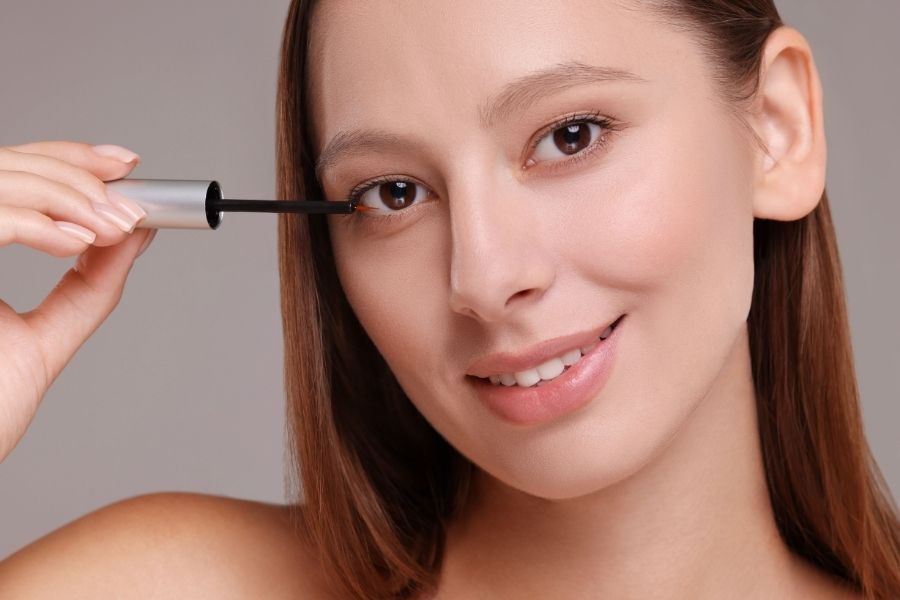
Apply your nighttime lash treatments like you’re drawing the world’s thinnest eyeliner. Upper lash line only (unless the bottle specifically says otherwise). Don’t glob it on thinking more equals better – you’ll just irritate your eyes and waste product.
Consistency is everything. Miss a few nights? You’re basically starting over. Your lashes don’t have memory – they need constant encouragement to keep growing. Set a phone reminder if you have to.
Some people ask about lower lashes. Honestly? Most experts say skip it. Your lower lash line is more sensitive, and the risk of getting serum in your actual eye goes way up.
What to Expect (And When to Start Panicking)
Let’s set some realistic expectations here. Lash growth serum journey sounds dramatic, but it’s more like watching paint dry – very, very slowly.
Week one and two: absolutely nothing visible. Maybe less lashes falling out, but that’s about it. Don’t panic.
Week three and four: your lashes might look a tiny bit healthier. Still no dramatic length.
Week six through eight: this is usually when people start seeing actual length. Not “holy grail” length yet, just “hey, that’s definitely longer than before.”
Maximum lash growth results typically show up around week 12-16. That’s three to four months of religious application before you get the Instagram-worthy results.
Your age matters here. Younger people with healthy lashes usually see results faster. If you’re over 40 or have damaged lashes from years of extensions, it might take longer.
Before and after photos can be tricky – lighting and angles make huge differences. Take pics in the same spot, same lighting, no mascara, if you want to track real progress.
And here’s the kicker: most serums require maintenance. Stop using them, and your lashes go back to their original state within a few months. It’s not permanent magic.
The Side Effects Nobody Talks About
Eyelash growth serums aren’t all rainbows and butterfly lashes. Some people have zero problems, others… well, let’s just say there are reasons these come with warning labels.
Eye irritation is super common, especially in the beginning. Red, itchy, watery eyes happen to lots of people. Starting every other night instead of daily can help your skin adjust.
Skin darkening around your eyes is real. It’s usually temporary, but it can take months to fade after you stop using the serum. If you’re prone to hyperpigmentation, this might not be your best bet.
The scary one? Iris color changes. This mostly happens with prescription stuff, and it’s permanent. Light eyes can turn darker brown. It’s rare with lash serums (more common with glaucoma drops), but it’s worth knowing about.
Allergic reactions can range from mild redness to full-blown swelling. If your eyes look like you got punched, stop immediately.
Always patch test new lash serums somewhere else first. Behind your ear or on your wrist – wait a day or two to see what happens before putting it near your eyes.
What Actually Works: The Real Reviews
Time for some honest talk about lash serum market favorites. No sponsored content here – just what actually delivers.
Latisse is still the heavyweight champion. Prescription required, side effects possible, but results are undeniable. If you want dramatic change and don’t mind jumping through hoops, this is it.
RevitaLash Advanced is like Latisse’s friendlier cousin. Less dramatic results, fewer side effects, no prescription needed. Most people see decent improvement without the drama.
GrandeLash-MD gives you good bang for your buck. Results are solid, price is reasonable, and they don’t make crazy promises they can’t keep.
Rodan + Fields Lash Boost has a cult following, but they’ve had some legal drama about not disclosing ingredients. Works well for many people, but the ingredient transparency thing is sketchy.
Babe Lash Essential Serum is budget-friendly without being garbage. Results take longer, but the price won’t make you cry.
DIY Tricks vs. Professional Solutions
The internet loves DIY lash growth remedies. Castor oil, petroleum jelly, coconut oil – your grandmother probably has opinions about this stuff. Do any of these home remedies actually work?
Castor oil has the most buzz. It might help with lash condition and reduce breakage, but the whole “it makes lashes grow like crazy” thing isn’t really proven. It’s cheap and probably won’t hurt anything, so if you want to try it, go ahead.
Professional lash treatments are a different beast entirely. Lash extensions give instant drama but require upkeep every few weeks. Lash lifts make your natural lashes look better without the maintenance nightmare.
At-home lash growth takes patience but costs less long-term. Professional stuff gives instant gratification but hits your wallet harder and needs regular touch-ups.
If you’ve got sensitive eyes or have reacted badly to lash products before, professional treatments might be safer – at least someone trained is handling the application.
