
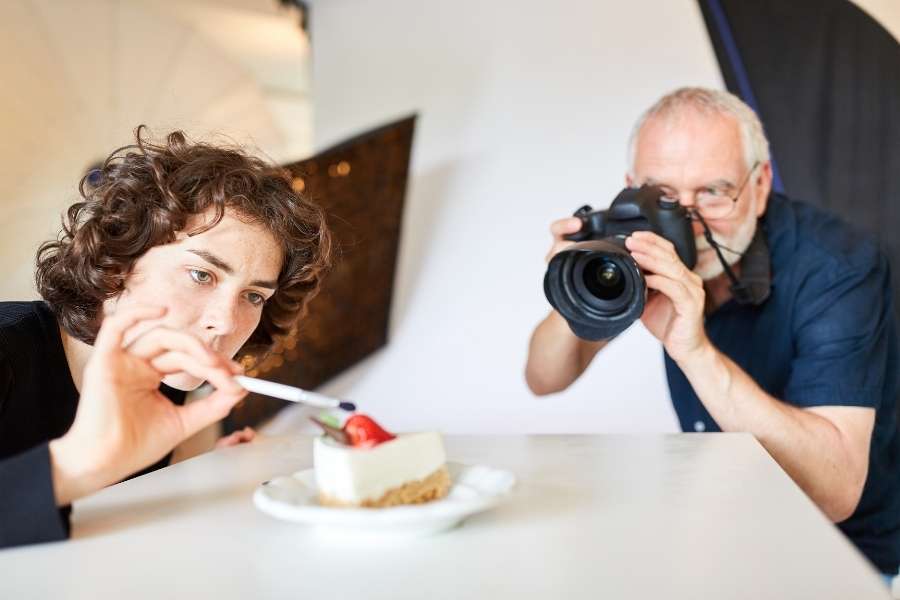
Food Photography has become one of the most powerful tools in modern marketing. Whether you’re running a restaurant, launching a food product, or building a culinary brand, the images you share can make or break your success. Think about it: when was the last time you ordered a dish online without first scrutinizing its photo? We live in a visual world where a single image can trigger hunger, desire, and ultimately, a purchase decision. The challenge isn’t just taking pictures anymore. It’s about creating visual stories that make people stop scrolling, lean closer to their screens, and think, “I need that right now.” This comprehensive guide will walk you through everything you need to transform ordinary dishes into extraordinary visual experiences that sell.
Understanding the Foundation of Food Photography
Before you dive into camera settings and lighting setups, you need to grasp what makes food photography different from other genres. Food is ephemeral, changing texture and appearance within minutes of plating. Ice cream melts, garnishes wilt, and steam dissipates faster than you can adjust your tripod. This temporal nature creates unique challenges that require both speed and precision. Unlike portrait or landscape photography, you’re not just capturing what something looks like. You’re trying to convey how it tastes, smells, and feels. The camera can’t detect aroma or flavor, so your job becomes translating sensory experiences into pure visual appeal. Every droplet of condensation, every crumb strategically placed, every glint of light on a glossy sauce tells part of that story.
The Psychology Behind Compelling Food Images
Understanding why certain food images grab attention requires diving into human psychology. Our brains are hardwired to respond to visual cues that signal freshness, ripeness, and nutritional value. Vibrant colors trigger appetite responses, while textures that suggest crispness or creaminess activate our taste memories. When viewers see a perfectly golden croissant with visible flaky layers, their brain recalls the experience of biting into one. This isn’t magic; it’s neuroscience meeting artistry. The best food photographers understand these psychological triggers and use them deliberately. They know that showing cheese mid-pull creates irresistible appeal, that glistening surfaces suggest juiciness, and that strategic imperfection often appears more authentic than sterile perfection.

Essential Equipment for Food Photography Success
You don’t need a professional studio to create stunning food photography, but having the right tools makes everything easier. Start with a camera that allows manual control over settings. While modern smartphones can produce impressive results, a DSLR or mirrorless camera gives you greater flexibility with depth of field and low-light performance. Invest in a good lens before spending money on other equipment. A 50mm or 60mm macro lens proves invaluable for capturing detailed food shots because it reproduces true-to-life proportions without distortion. These focal lengths also create beautiful background blur that makes your subject pop. Don’t overlook the importance of a sturdy tripod, especially when shooting in natural light or creating flat-lay compositions. Shaky hands lead to blurry images, and even the slightest movement becomes noticeable when shooting at close range.
Building Your Food Photography Lighting Kit
Lighting separates amateur snapshots from professional product photography for food brands. Natural light remains the most flattering option for food, offering soft shadows and true color rendition. Position your setup near a large window, ideally facing north to avoid harsh direct sunlight. But natural light isn’t always available or consistent, which is where artificial lighting becomes essential. Start with a continuous LED panel that mimics daylight temperature, around 5500K. This allows you to see exactly how light affects your subject in real time. Add a second light source or reflector to fill in shadows and create dimension. White foam boards work perfectly as inexpensive reflectors, bouncing light back onto shadowed areas without introducing color casts. Black cards or flags help subtract light, creating dramatic shadows when you want moodier, more atmospheric shots.
Mastering Composition Techniques in Food Photography
Great composition transforms ingredients into visual poetry. The rule of thirds in food photography provides a reliable starting point: imagine your frame divided into nine equal sections by two horizontal and two vertical lines. Placing your main subject at the intersection of these lines creates natural balance and visual interest. But rules exist to be broken once you understand them. Sometimes centering your subject creates powerful symmetry, especially with circular foods like pizzas or cakes viewed from above. Leading lines draw the viewer’s eye through the frame, whether that’s a fork pointing toward the main dish or a drizzle of sauce creating a path. Negative space gives your subject room to breathe and prevents compositions from feeling cluttered. A minimalist approach often communicates luxury and sophistication, while busier frames can convey abundance and generosity.
Exploring Different Angles for Food Photography
The angle you choose dramatically affects how viewers perceive your dish. Overhead shots, also called flat-lays, work beautifully for capturing restaurant menu photography because they show the entire spread without distortion. This angle excels for pizzas, salads, breakfast spreads, and anything with interesting toppings or garnishes. The 45-degree angle mimics how we naturally view food when sitting at a table. It shows depth, layers, and the height of stacked foods like burgers or layered cakes. This versatile angle works for most dishes and feels immediately relatable to viewers. Eye-level or straight-on angles suit tall foods like towering burgers, stacked pancakes, or dramatic layer cakes. This perspective emphasizes height and creates an intimate, almost confrontational relationship between viewer and food.
The Art of Food Styling for Photography
Food styling for photography bridges the gap between cooking and visual art. Fresh ingredients always photograph better than tired ones, so timing your shoot becomes crucial. Undercook foods slightly; they’ll continue cooking under hot lights and appear more vibrant than fully cooked items. Herbs and garnishes wilt quickly, so keep backup portions ready and add them at the last possible moment. Oil and glycerin become your secret weapons for adding shine and suggesting freshness. A light brush of oil makes vegetables glisten, while glycerin mixed with water creates convincing “fresh from the oven” steam. Real steam dissipates too quickly for photography, so strategic fakery becomes necessary. Build height and dimension by propping elements strategically; crumpled paper towels or small cups hidden behind food can push elements forward or create appealing angles.
Color Theory in Food Photography
Understanding color relationships elevates your food product photography from good to exceptional. Complementary colors, those opposite each other on the color wheel, create vibrant contrast that catches the eye. Orange pumpkin soup in a blue bowl, or red strawberries on a green plate, exploit this principle. Analogous colors, those adjacent on the color wheel, create harmony and sophistication. Think golden roasted chicken with amber honey drizzle and tan bread rolls. Monochromatic schemes using various shades of one color communicate elegance and refinement. Don’t forget about the psychological associations colors carry: warm tones like red, orange, and yellow stimulate appetite, while cool blues and purples suggest freshness and can sometimes suppress hunger. Consider your brand message when choosing your color palette for commercial food photography.
Technical Camera Settings for Food Photography
Aperture controls depth of field, determining how much of your image appears sharp. Wide apertures like f/2.8 create beautifully blurred backgrounds that isolate your subject, perfect for hero shots in food photography. Narrow apertures like f/8 or f/11 keep more elements in focus, ideal for flat-lay compositions where you want every detail crisp. Start with aperture priority mode if manual mode feels overwhelming; this lets you control depth of field while the camera handles other settings. Shutter speed needs to be fast enough to prevent blur from camera shake or moving elements like steam. As a general rule, your shutter speed should match or exceed your focal length. Shooting with a 60mm lens? Keep your shutter speed at 1/60th of a second or faster.
ISO and White Balance Mastery
ISO determines your camera’s sensitivity to light. Lower ISOs like 100 or 200 produce cleaner images with less grain, making them ideal for professional food photography where detail matters. Increase ISO only when shooting in low light and you’ve maxed out your aperture and slowed your shutter speed as much as possible. Modern cameras handle high ISOs better than older models, but always aim for the lowest ISO your lighting conditions allow. White balance ensures colors appear accurate and appetizing. Auto white balance works reasonably well, but manually setting white balance eliminates color casts that make food look unappetizing. Shoot a gray card under your lighting setup and use it to set a custom white balance. This extra step ensures your whites appear truly white and your colors stay true.
Creating Mood and Atmosphere in Food Photography
Mood in food photography communicates your brand story and appeals to specific emotions. Bright, airy images with lots of white space suggest freshness, health, and modernity. They work perfectly for clean eating brands, juice bars, and contemporary cafes. Dark, moody images with dramatic shadows evoke intimacy, indulgence, and sophistication. This style suits fine dining establishments, artisanal products, and anything meant to feel luxurious or exclusive. Props and backgrounds contribute enormously to mood. Rustic wooden boards and linen napkins create farmhouse warmth, while marble slabs and gold cutlery communicate upscale elegance. Vintage plates and weathered surfaces add nostalgic charm, perfect for grandma’s recipe or heritage brands. Every element in your frame should support your intended mood; anything that doesn’t belong will distract from your message.
Working with Backdrops and Surfaces
The surface you shoot on becomes as important as the food itself in styled food photography. Wooden boards bring warmth and organic texture that complements natural, wholesome foods. Different wood types create different moods: light pine feels casual and friendly, while dark walnut suggests sophistication. Marble and stone surfaces communicate luxury and permanence, working beautifully for high-end products or formal presentations. Their cool tones balance warm-colored foods particularly well. Seamless paper or fabric backdrops in neutral tones keep focus on the food without competing for attention. Create your own backdrops by painting boards, aging surfaces with sandpaper and stain, or collecting interesting textiles. Textured surfaces like concrete, slate, or terrazzo add visual interest without overwhelming the composition.
Post-Processing Food Photography Images
Even perfectly shot images benefit from thoughtful editing. Start by adjusting exposure and contrast to ensure your image has proper brightness and tonal range. Don’t overdo it; natural-looking food photography requires restraint in post-processing. Next, fine-tune white balance if your colors don’t look quite right. Slight warming often makes food more appealing, but avoid going so far that images look artificial. Increase vibrance rather than saturation; vibrance boosts muted colors while protecting already-saturated tones from becoming garish. Pay special attention to skin tones if hands appear in your shots. Sharpen your images, but be subtle. Over-sharpening creates halos and makes images look processed. Apply sharpening selectively to the main subject while leaving backgrounds softer.
Advanced Retouching Techniques
Professional food photography retouching involves removing distractions and enhancing appeal without crossing into dishonesty. Use the healing brush to remove crumbs, drips, or imperfections that detract from your subject. Clone out dust specks, stray garnish bits, or anything that wasn’t intentional in your composition. Dodge and burn to enhance dimension: lighten highlights slightly to increase sparkle and darken shadows to add depth. This subtle technique makes images pop without looking obviously edited. Use selective color adjustments to enhance specific elements. Boost the orange tones in roasted meat, increase yellows in baked goods, or deepen reds in berries. Color grading establishes consistency across your portfolio and strengthens brand recognition. Develop a signature editing style that viewers begin to associate with your work.
Common Food Photography Mistakes to Avoid
Even experienced photographers fall into traps that diminish their food photography results. Overhead lighting creates harsh shadows and flattens dimension; side lighting nearly always produces more appealing results. Using flash directly on food creates reflective hot spots and unnatural shadows. If you must use flash, bounce it off a ceiling or wall, or diffuse it through a softbox. Cluttered compositions distract from your main subject. Every element should serve a purpose; remove anything that doesn’t enhance your story. Overstyling makes food look artificial and unapproachable. Sometimes the most appealing images embrace a bit of mess: a broken cookie, scattered crumbs, or an imperfect drizzle suggests the food has been enjoyed.
Technical Errors That Ruin Food Photos
Poor focus destroys otherwise good images. Always focus on the most important element, typically the front edge of your main subject. With shallow depth of field, even slight focus misses become glaringly obvious. Incorrect white balance makes food look unappetizing; greenish tones suggest decay while overly warm tones look fake. Shoot in RAW format so you can adjust white balance in post-processing without losing quality. Underexposing to “preserve highlights” leaves your images looking muddy and uninviting. Food photography typically benefits from a brighter, more optimistic exposure. You can always darken slightly in editing, but significantly brightening underexposed images introduces noise and degrades quality. Forgetting to clean your setup creates distracting smudges, fingerprints, and debris that show up clearly in final images. Wipe down surfaces, plates, and glassware immediately before shooting.
Building a Cohesive Food Photography Portfolio
A strong portfolio showcases your range while maintaining a consistent visual voice. Include variety: different types of food photography like plated dishes, ingredients, preparation shots, and lifestyle images that show food being enjoyed. Demonstrate technical skill through various angles, lighting scenarios, and compositional approaches. Yet everything should feel cohesively yours through consistent editing style, color preferences, and aesthetic choices. Organize your portfolio strategically. Lead with your strongest, most eye-catching images; you have seconds to capture viewer attention. Group similar work together so potential clients can easily envision their specific needs. If you specialize in certain niches like bakery photography or restaurant food photography, create dedicated sections that demonstrate your expertise.
Marketing Your Food Photography Services
Building a successful food photography business requires more than technical skill. Develop relationships with local restaurants, food brands, and culinary publications. Offer to shoot a few dishes for free to build your portfolio and establish connections. Social media becomes your most powerful marketing tool; Instagram particularly favors visual content and connects you directly with potential clients. Post consistently, use relevant hashtags, and engage genuinely with your community. Don’t just share final images; show behind-the-scenes content that demystifies your process. People love seeing the effort and creativity that goes into seemingly simple shots. Create case studies that walk potential clients through your approach and results. Show how your images increased engagement, drove sales, or elevated brand perception.
The Future of Food Photography
Technology continues reshaping how we approach commercial food photography. Artificial intelligence tools now assist with editing, automatically removing backgrounds or enhancing colors. While these tools save time, they can’t replace a photographer’s creative vision and understanding of what makes food appealing. Virtual and augmented reality create new opportunities for immersive food experiences. Imagine clients viewing 3D renderings of dishes from every angle before they’re even prepared. Sustainability concerns increasingly influence food photography. Clients want authentic images that don’t involve food waste, pushing photographers toward more efficient shooting methods and thoughtful styling. Video continues growing in importance; short-form content for platforms like TikTok and Instagram Reels requires photographers to expand their skills into motion.
So here’s the real question: are you ready to transform how people see and desire food? The technical knowledge matters, sure, but what really sets great food photographers apart is their ability to tell stories that make mouths water and wallets open. Start practicing today. Grab whatever camera you have, find decent natural light, and start experimenting. Your first hundred shots might be terrible, but somewhere around shot 500, something magical happens. You’ll start seeing light differently, understanding composition instinctively, and creating images that don’t just show food but sell experiences. Now get out there and make something delicious look absolutely irresistible. What will you shoot first?
