
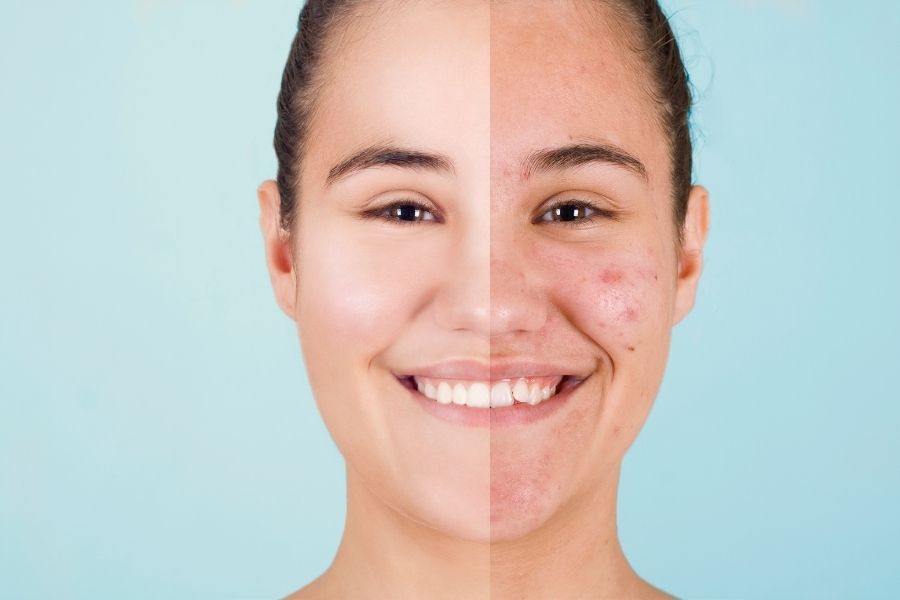
Acne treatment feels like throwing money at a problem that just won’t quit. You’ve probably stared at your reflection countless times, wondering why that expensive cream your influencer swears by isn’t doing jack for your skin. Here’s the thing – about 85% of us deal with acne at some point, yet most treatments are complete garbage.
Walk into any drugstore and you’ll be smacked with shelves of products promising overnight miracles. Total nonsense. Real acne treatment isn’t about finding some magic potion. It’s about understanding what’s actually happening under your skin and using stuff that science backs up, not whatever’s trending on TikTok.
Why do some treatments work while others leave you broke and still broken out? Your acne comes from four main troublemakers: too much oil, clogged pores, bacteria throwing a party, and inflammation joining the chaos. Get these under control, and you’re golden.
The Real Deal Behind Acne Treatment That Works
Adult acne hits about 40% of people in their twenties and thirties. Surprise – it’s not just a teenage nightmare that magically disappears. Your hormones, stress, what you eat, even your skincare routine can trigger breakouts.
Your oil glands pump out sebum to keep skin happy. But sometimes they go haywire and flood your pores. Dead skin cells that should flake off instead stick around like unwanted houseguests. They team up with that excess oil and create plugs.
Then comes Propionibacterium acnes – the bacteria that loves hanging out in these clogged, oxygen-free spaces. As they multiply, your immune system freaks out and sends in the inflammation brigade. Hello, angry red bumps.
This whole mess explains why throwing one product at acne rarely works. The American Academy of Dermatology found that combining treatments often kicks single ingredients’ butts. You don’t need a bathroom cabinet full of stuff, just smart combinations.

Topical Acne Treatment Heroes: What Actually Moves the Needle
Three ingredients dominate dermatology for good reason: retinoids, benzoyl peroxide, and salicylic acid. These aren’t trendy newcomers – they’ve got decades of research proving they work. But knowing how to use them without torching your face makes all the difference.
Retinoids: The Big Guns of Acne Treatment
Retinoids earn their reputation as topical acne treatment champions. These vitamin A derivatives speed up cell turnover, stop blackheads and whiteheads before they start, and calm inflammation. Tretinoin, adapalene, and tazarotene each bring different strengths to the table.
Starting retinoids requires grit and strategy. Most people get hit with irritation, dryness, and worse breakouts initially – called “purging.” This nightmare phase lasts 6-8 weeks while your skin adjusts to rapid cell turnover. Start slow – maybe every third night – then ramp up gradually.
The Journal of Clinical and Aesthetic Dermatology tracked patients who stuck it out through the rough patch. 70% saw major improvement after 12 weeks of consistent use. The trick? Use a pea-sized amount for your whole face, apply to bone-dry skin, and always follow with moisturizer.
Benzoyl Peroxide: The Bacteria Assassin
Benzoyl peroxide takes a different acne treatment approach by going straight after the bacterial problem. This ingredient floods pores with oxygen, creating an environment where P. acnes bacteria can’t survive. Unlike antibiotics, bacteria can’t build resistance to it.
Don’t fall for the “stronger is better” trap with benzoyl peroxide. Research shows 2.5% formulations work just as well as 5% or 10% versions, but with way less irritation. Higher percentages just mean more potential for your face to hate you.
Here’s a bonus most people miss: benzoyl peroxide helps other acne treatment ingredients penetrate better. Combine it with topical antibiotics or retinoids, and you boost their power while preventing antibiotic resistance. Just don’t mix it with retinoids at the same time – it deactivates them.
Salicylic Acid: The Gentle Giant
Salicylic acid offers a friendlier entry into acne treatment, perfect for sensitive skin or treatment newbies. This beta-hydroxy acid dives into oil to dissolve dead skin cells and gunk inside pores, stopping blackheads and whiteheads before they form.
Unlike other acids that work on the surface, salicylic acid is oil-loving, so it penetrates deep where acne starts. Over-the-counter stuff ranges from 0.5% to 2%, while prescriptions can hit 6% for stubborn cases.
The cool part about salicylic acid is its anti-inflammatory superpowers. While it’s clearing your pores, it’s also calming existing breakouts and reducing redness. This double-duty action makes it killer for dealing with both active acne and those dark marks left behind.
Professional Acne Treatment: When Your Bathroom Cabinet Fails You
Sometimes your DIY game isn’t cutting it, despite throwing everything you’ve got at persistent breakouts. Professional acne treatment brings out the heavy artillery that can finally break stubborn acne cycles. Knowing when to wave the white flag saves months of frustration and prevents scarring.
Prescription Meds That Actually Change the Game
Oral medications tackle acne treatment from the inside, especially for hormonal or cystic acne that laughs at topical treatments. Antibiotics like doxycycline and minocycline reduce inflammation and bacterial growth, but doctors keep these short-term to avoid resistance problems.
Spironolactone has become a total game-changer for women dealing with hormonal acne. This medication blocks androgen receptors, shutting down the hormonal triggers behind jawline, chin, and lower face breakouts. Studies show 80% of women see major improvement after six months.
Isotretinoin (the drug formerly known as Accutane) remains the nuclear option for severe, cystic acne. This powerhouse addresses all four acne causes simultaneously, often providing long-term or permanent clearance after 4-6 months. The side effects need careful monitoring, but results can be absolutely life-changing for severe cases.
Deciding on oral acne treatment isn’t casual. These medications require regular dermatologist check-ins and might not play nice with other health conditions or meds. But for the right candidates, they can provide the breakthrough when topical treatments hit a wall.
In-Office Procedures for Stubborn Cases
Professional procedures deliver immediate, dramatic acne treatment improvements. Chemical peels using glycolic, salicylic, or trichloroacetic acid rapidly improve skin texture and reduce both active acne and leftover marks. These treatments supercharge the exfoliation process, revealing fresher skin underneath.
Light and laser therapies represent cutting-edge acne treatment options. Blue light targets P. acnes bacteria directly, while red light tackles inflammation. Newer tech like photodynamic therapy combines light treatment with photosensitizing agents for amplified results. Patients often see 50-70% improvement after treatment series.
Professional extractions provide immediate relief for stubborn comedones and cysts. While home extractions are tempting, professional tools and techniques minimize tissue damage and infection risk. Many dermatologists combine extractions with peels or light therapy for comprehensive acne treatment sessions.
Natural and Alternative Acne Treatment That Doesn’t Suck
Natural acne treatment has exploded, with some options showing real scientific promise. Natural doesn’t automatically mean gentle or effective, but certain plant-based ingredients have earned their spot in evidence-based routines.
Tea Tree Oil: Nature’s Antiseptic That Works
Tea tree oil has gained serious acne treatment credibility with genuine scientific backing. Studies comparing 5% tea tree oil gel to 5% benzoyl peroxide found similar effectiveness in reducing acne lesions, with tea tree oil causing less irritation and dryness. Perfect for sensitive skin that struggles with traditional treatments.
Using tea tree oil effectively requires proper dilution and formulation. Pure tea tree oil will torch your face – it needs dilution. Look for products with 2.5-10% tea tree oil in properly formulated bases. Its antimicrobial properties target acne bacteria while providing anti-inflammatory benefits.
Many people use tea tree oil as a spot treatment for individual blemishes in their acne treatment routine. A small amount applied directly to active breakouts can reduce inflammation and speed healing. Like any active ingredient, tea tree oil can cause sensitivity reactions, so patch testing is essential.
Zinc: The Internal Anti-Inflammatory
Oral zinc supplementation shows promise as backup to topical acne treatment. Research indicates people with acne often have lower zinc levels compared to those with clear skin. Zinc’s anti-inflammatory properties and wound healing role make it a logical addition to comprehensive acne management.
Studies using zinc gluconate or zinc sulfate supplements (30-40mg daily) showed significant inflammatory acne improvement after 12 weeks. The mineral works by reducing inflammation, regulating oil production, and supporting skin barrier function. Approach zinc supplementation carefully – excessive amounts interfere with copper absorption and cause digestive upset.
Topical zinc oxide has also gained attention in acne treatment formulations. This mineral provides gentle antibacterial action without resistance development potential. Many dermatologists recommend zinc-containing sunscreens for acne-prone skin – sun protection while supporting acne management goals.
Diet Changes: The Inside-Out Game
The diet-acne relationship has been controversial, but emerging research suggests certain dietary modifications can support acne treatment efforts. High-glycemic foods and dairy products show the strongest associations with acne development and persistence.
High-glycemic foods cause rapid blood sugar and insulin spikes, triggering increased oil production and inflammation. Studies following participants who cut refined carbs, sugary snacks, and processed foods showed significant acne severity improvements after 12 weeks.
Dairy’s acne connection appears linked to hormones naturally present in milk and dairy products. These hormones can stimulate oil production and inflammation, particularly in hormonally sensitive individuals. Many people find reducing or eliminating dairy improves their acne treatment results, though responses vary significantly.
Building Your Personal Acne Treatment Game Plan
Creating effective acne treatment routines requires understanding your skin type, acne severity, and lifestyle factors. What works for your bestie might be disaster for you. Success lies in systematic approaches and patience.
Morning Routine Basics
Your morning acne treatment routine should focus on gentle cleansing, active ingredient application, and sun protection. Start with mild, non-comedogenic cleansers that remove overnight buildup without stripping your skin’s natural barrier. Harsh scrubbing or overly drying cleansers can worsen acne by triggering increased oil production.
After cleansing, apply your chosen topical acne treatment. If you’re using benzoyl peroxide or salicylic acid, morning application works well since these ingredients can increase photosensitivity initially. Let the treatment absorb for a few minutes before applying moisturizer – this layering technique maximizes ingredient effectiveness.
Sunscreen isn’t optional in any acne treatment routine. Many acne medications increase sun sensitivity, making protection essential for preventing hyperpigmentation and premature aging. Look for non-comedogenic, broad-spectrum formulas with at least SPF 30. Zinc oxide and titanium dioxide-based sunscreens often work well for acne-prone skin.
Don’t skip moisturizer, even with oily skin. Dehydrated skin can increase oil production and inflammation, sabotaging your acne treatment efforts. Choose lightweight, oil-free formulations providing hydration without clogging pores. Ingredients like hyaluronic acid and ceramides support skin barrier function while maintaining moisture balance.
Evening Routine Strategy
Evening routines offer perfect opportunities for incorporating potent acne treatment ingredients like retinoids. Your skin naturally repairs overnight, making it ideal for active ingredients to work their magic. However, this increased activity means your skin may be more sensitive to irritating ingredients.
Double cleansing benefits those wearing makeup or sunscreen daily. Start with oil-based cleansers to dissolve makeup and sunscreen, followed by regular water-based cleansers. This thorough cleaning ensures acne treatment products penetrate effectively rather than sitting on residue.
If you’re using retinoids in your acne treatment routine, apply them to completely dry skin about 20-30 minutes after cleansing. This waiting period reduces irritation while maintaining effectiveness. Start every third night and gradually increase frequency as your skin adjusts. Always follow with gentle moisturizer to minimize dryness and flaking.
Tracking Progress and Making Adjustments
Successful acne treatment requires patience and realistic expectations. Most topical treatments need 6-12 weeks to show significant improvement, and the first few weeks might see temporary worsening as your skin purges. Keeping a skin journal with photos helps track progress objectively.
Pay attention to how your skin responds to different products and adjust accordingly. If you experience excessive dryness, irritation, or increased breakouts after introducing new acne treatment, scale back frequency or concentration. Sometimes less delivers more in effective acne management.
Consider seasonal routine adjustments. Your skin’s needs change with weather, stress levels, and hormonal fluctuations. Summer might require lighter formulations and increased sun protection, while winter may call for more moisturizing products to combat heating system dryness.
Remember that acne treatment often resembles a marathon, not a sprint. Consistency beats perfection, and sustainable long-term routines often produce better results than aggressive approaches that cause treatment abandonment.
Acne Treatment Mistakes That Sabotage Your Progress
Even with good intentions, many people accidentally torpedo their acne treatment efforts through common mistakes. Understanding these pitfalls saves time, money, and frustration while accelerating your path to clearer skin.
The “More is Better” Disaster
One major acne treatment mistake is the “pile everything on” mentality. When breakouts appear, instinct often says add more products or increase application frequency. Over-treating can actually worsen acne by compromising your skin barrier and triggering increased oil production.
Using too many active ingredients simultaneously is another frequent error. Combining retinoids, benzoyl peroxide, salicylic acid, and other treatments without proper spacing leads to severe irritation and contact dermatitis. Your skin needs adjustment time for new ingredients, and introducing everything at once makes it impossible to identify what helps versus hurts.
The urge for immediate results leads to using higher concentrations than necessary. Remember that 2.5% benzoyl peroxide often equals 10% effectiveness but with less irritation. Starting with the strongest retinoid available isn’t necessarily the best acne treatment success approach.
Inconsistent Use Patterns
Sporadic acne treatment product use creates major roadblocks to success. Acne medications work by maintaining consistent active ingredient levels in your skin over time. Using treatments sporadically or only during breakouts doesn’t allow them to prevent new acne formation effectively.
Many people stop treatment immediately when skin clears. Acne treatment typically requires ongoing commitment rather than short-term fixes. Most dermatologists recommend continuing successful treatments for several months after clearance to prevent relapse.
Switching products too frequently proves equally problematic. Most acne treatment options need 6-12 weeks to show significant improvement. Changing products every few weeks doesn’t give adequate working time and makes effectiveness assessment impossible.
There you have it – acne treatment doesn’t need to be rocket science wrapped in marketing garbage. Whether you’re dealing with occasional breakouts or persistent acne, success comes from understanding your skin, choosing science-backed treatments, and keeping expectations realistic. Your skin didn’t develop acne overnight, and it won’t clear overnight either. But with the right approach, consistency, and maybe some professional backup, clearer skin is totally doable. What’s your next move toward better acne treatment?
